
Welding Fume Extraction for Your Welding Workstation
Welding fumes endanger your employees and settle on workpieces. We capture them directly at the source, with extraction technology that suits your operation.
Request advice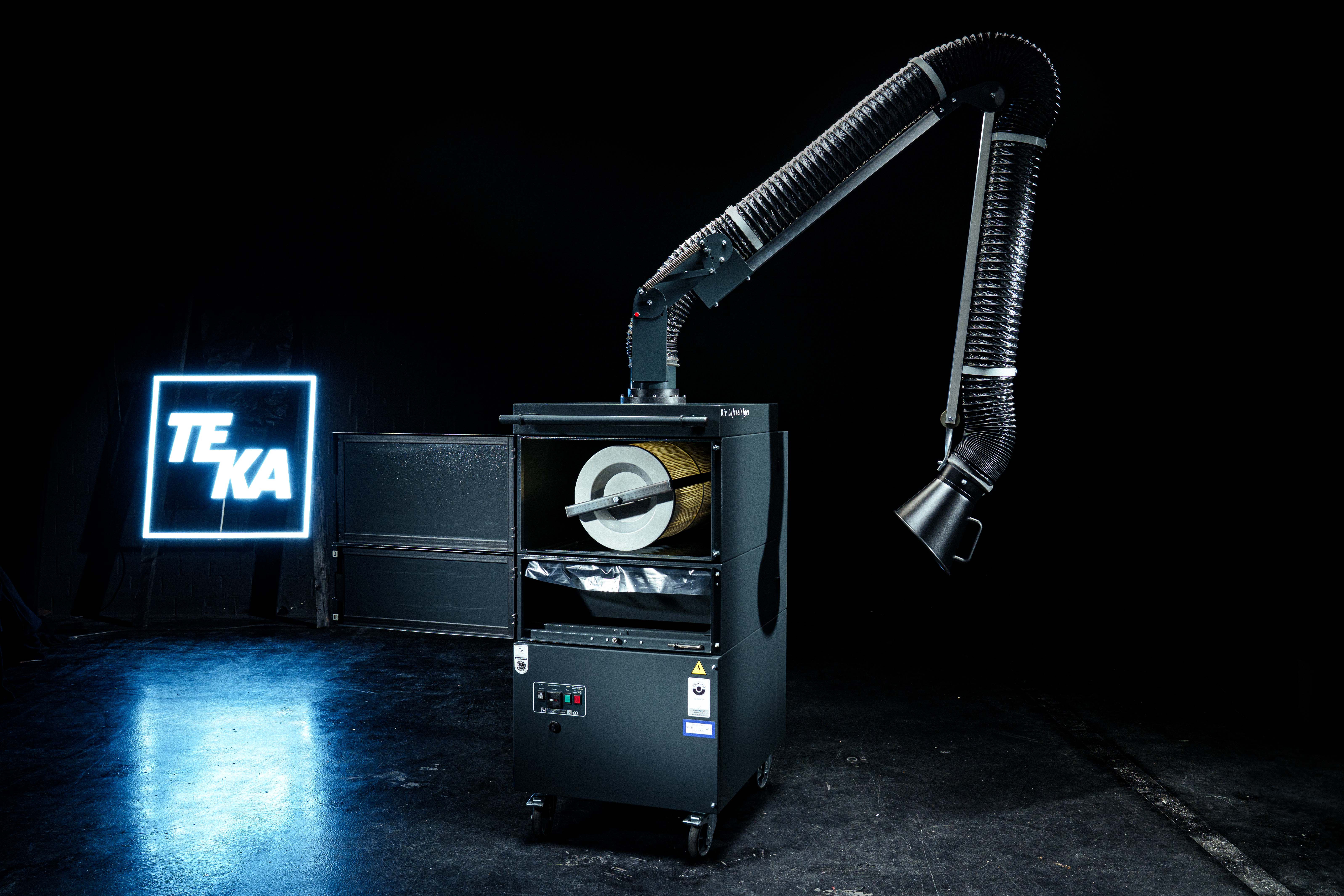
Welding fume extraction for a clean and safe working environment
Why welding fumes are dangerous
Welding produces harmful emissions, including fine dust, heavy metals and toxic gases. When inhaled, these particles penetrate deep into the lungs and can lead to serious illnesses such as bronchitis, asthma, cardiovascular problems and even cancer. And it's not only health that suffers: your product quality does too, when welding fumes settle on workpieces and cause corrosion or contamination.
How professional extraction protects
Professional extraction systems are therefore important for every company that values occupational safety and clean production. A suitable extraction unit captures the fumes with an extraction arm or hood directly at the source. The welding fume filter then separates the particles. The result: a clean, safe environment in which your employees can work with concentration.
Strong for industry & trade
- Robust quality for continuous operation
- Engineered in Germany, produced in Germany and the EU
- Filter technology for welding fumes and dust
- Personal expert advice included
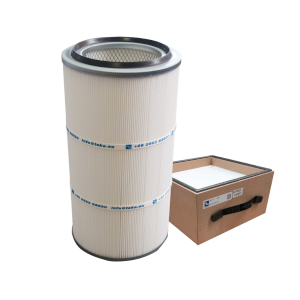
Request matching replacement filters
Genuine filters for your unit: request a quote directly via the serial number.
 Request replacement filters
TEKA product catalogues
All solutions at a glance: browse online or download specific PDFs.
 View catalogues

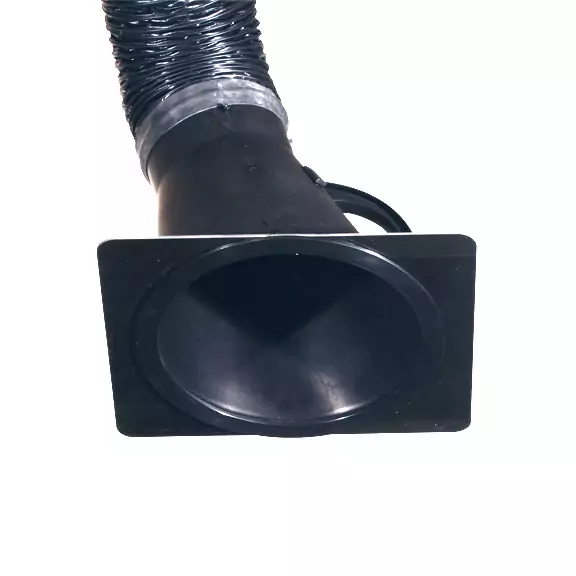
angular 300 x 360 mm, PVC, black
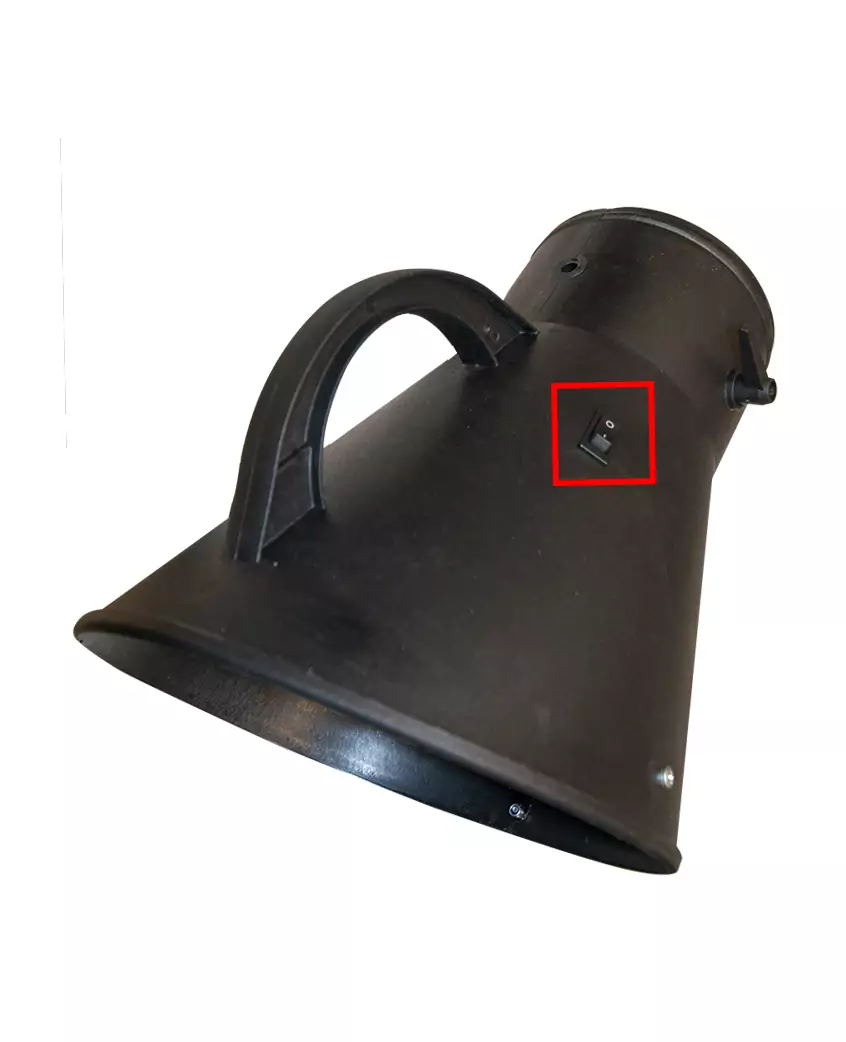
for mobile/stationary filter units
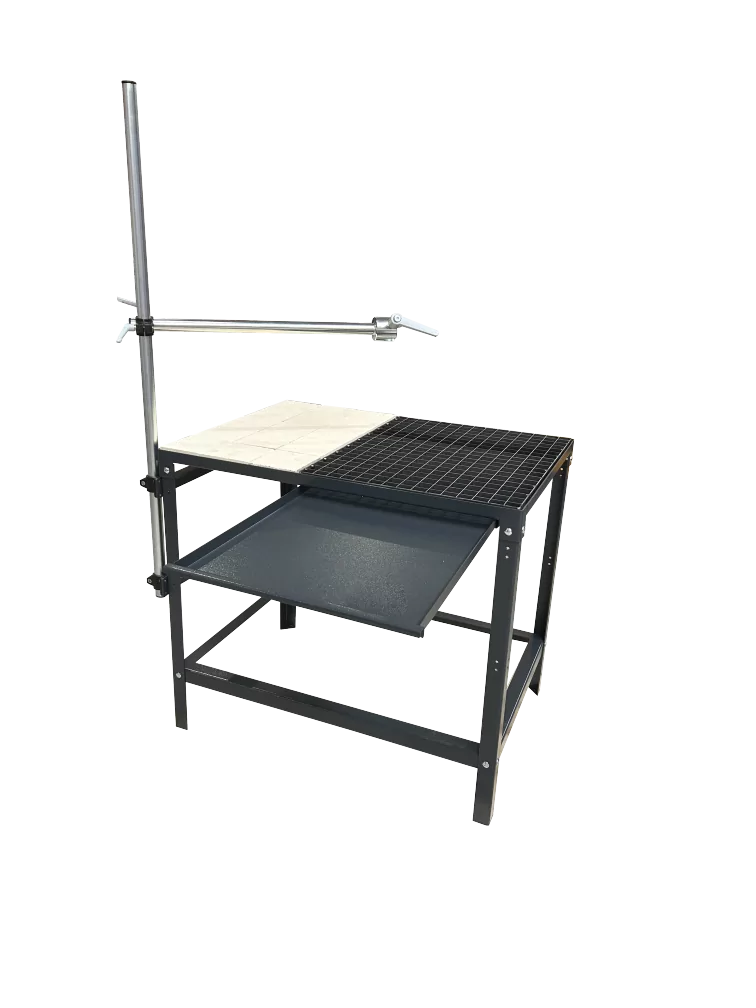
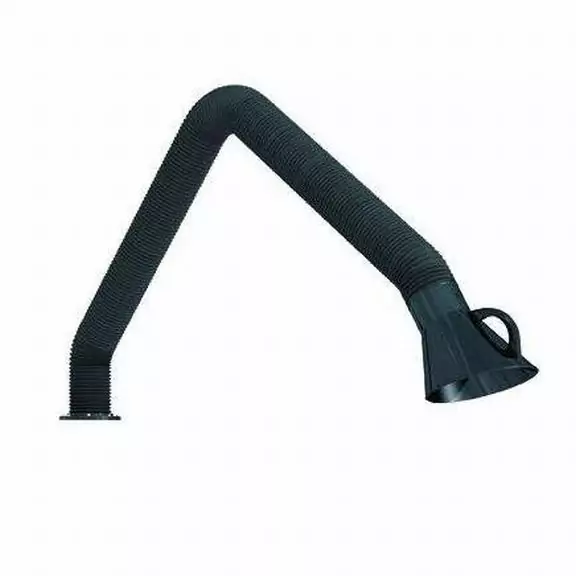
Hose type, internal joints
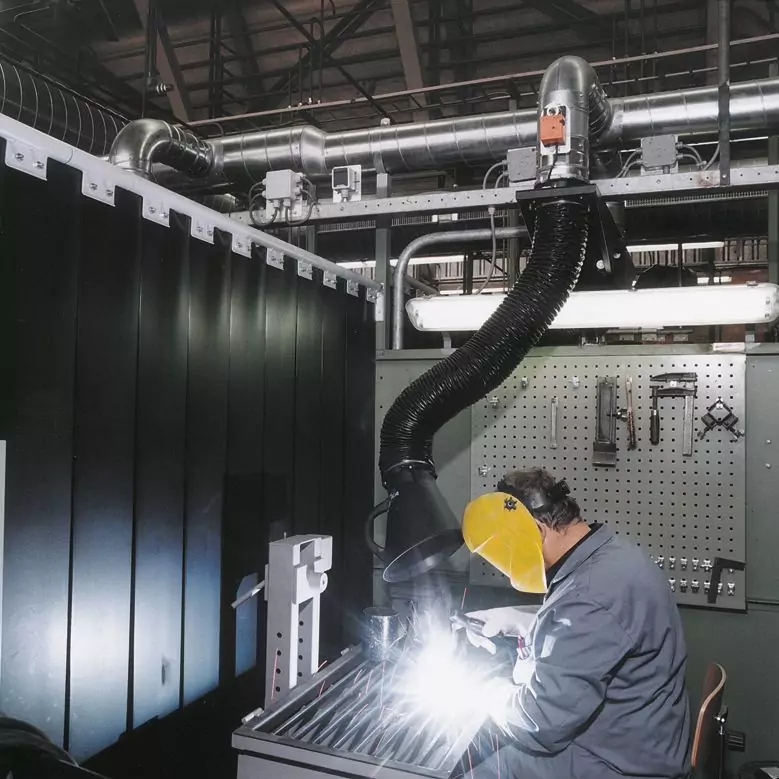
internal joints, 1,20 - 2,06 m incl. accessories
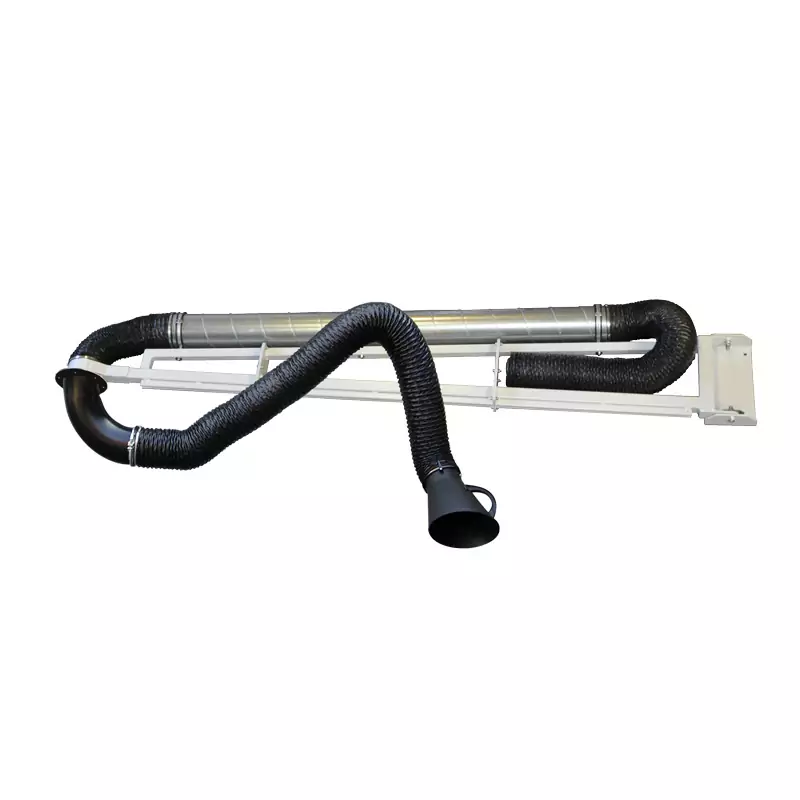
Hose type, internal joints
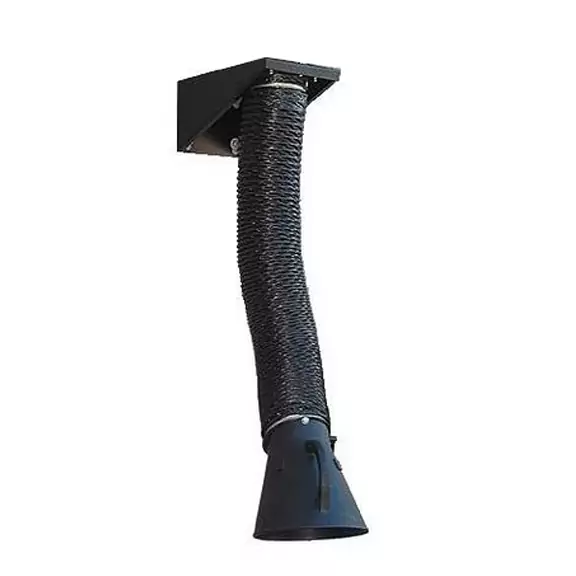
internal joints, working length 1,20 - 2,06 m
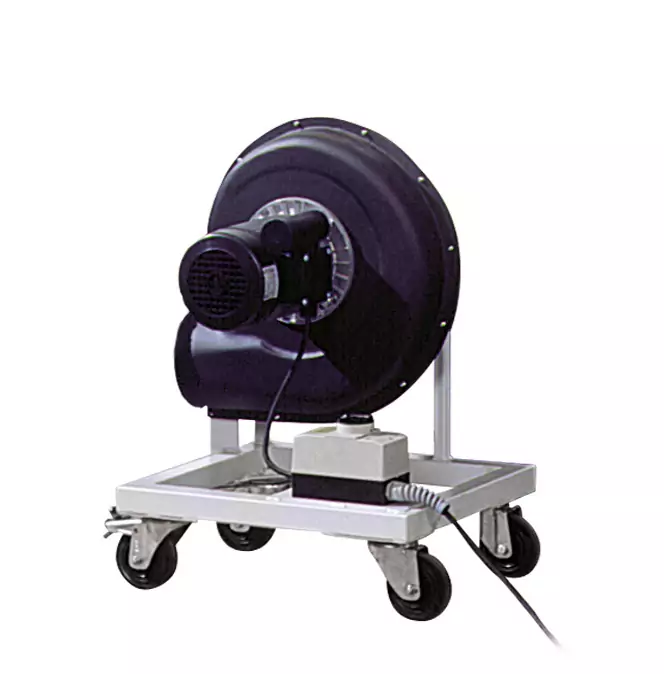
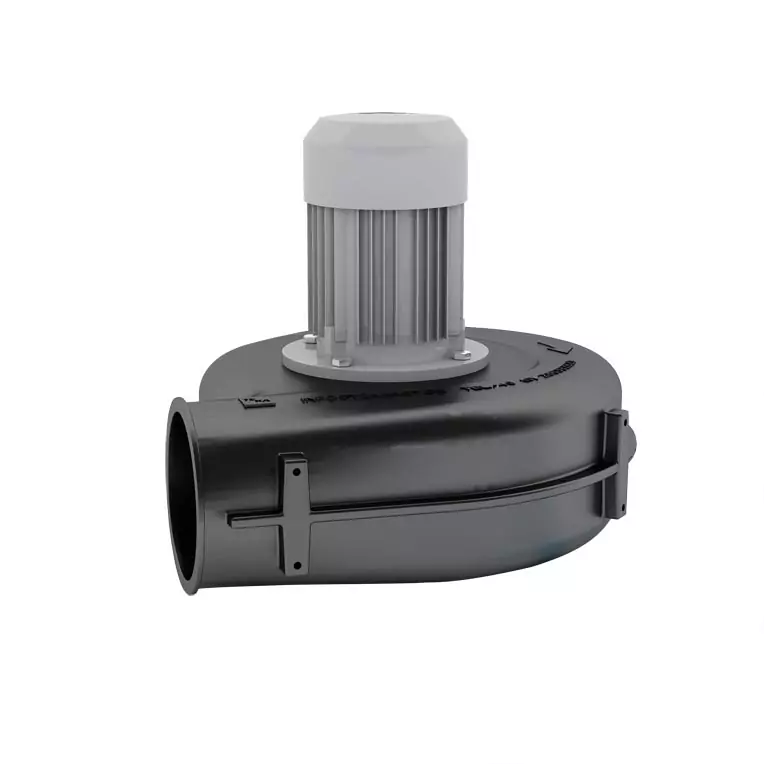
2000 m³/h, 0,75 kW, 400V/50Hz
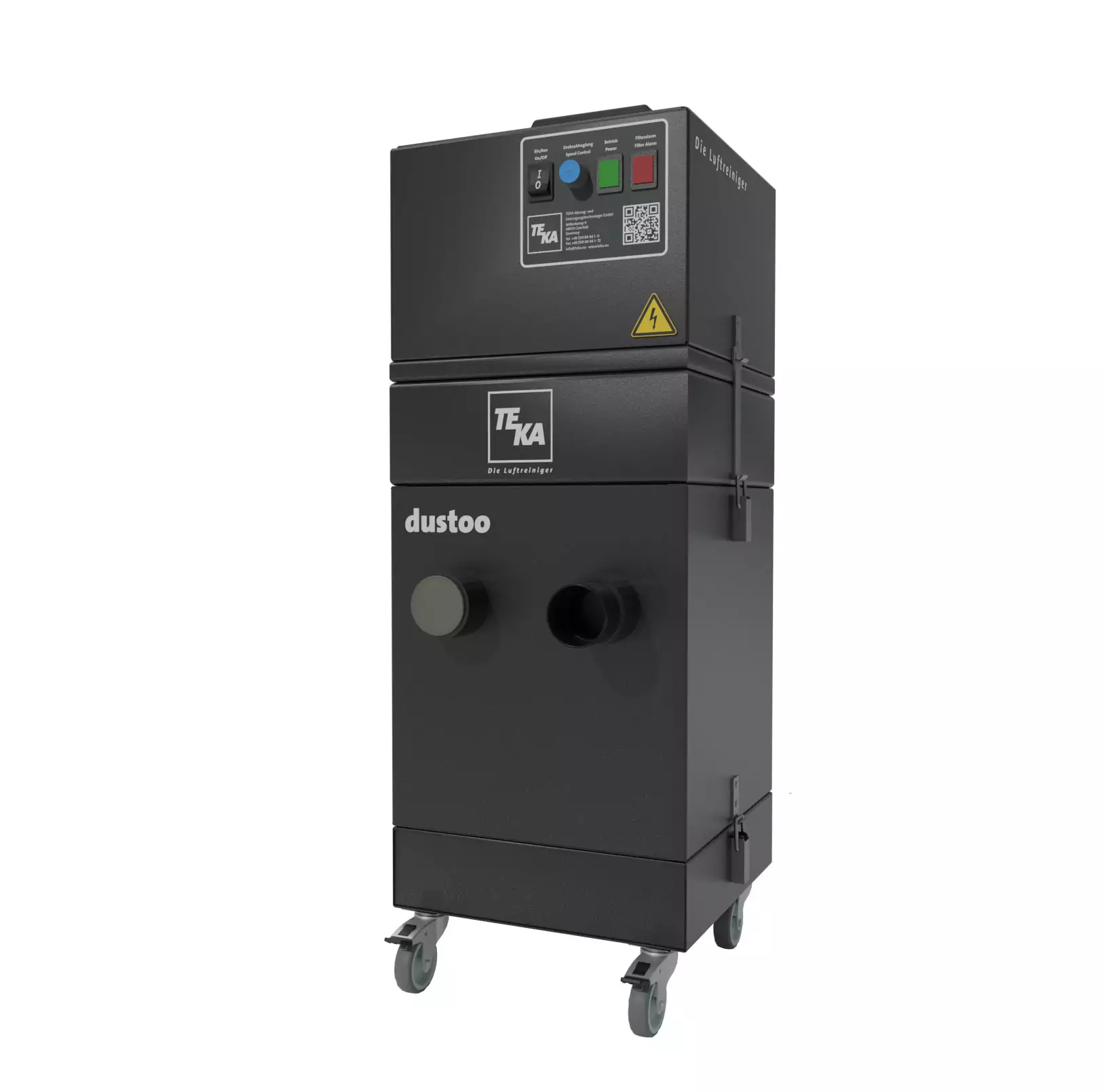
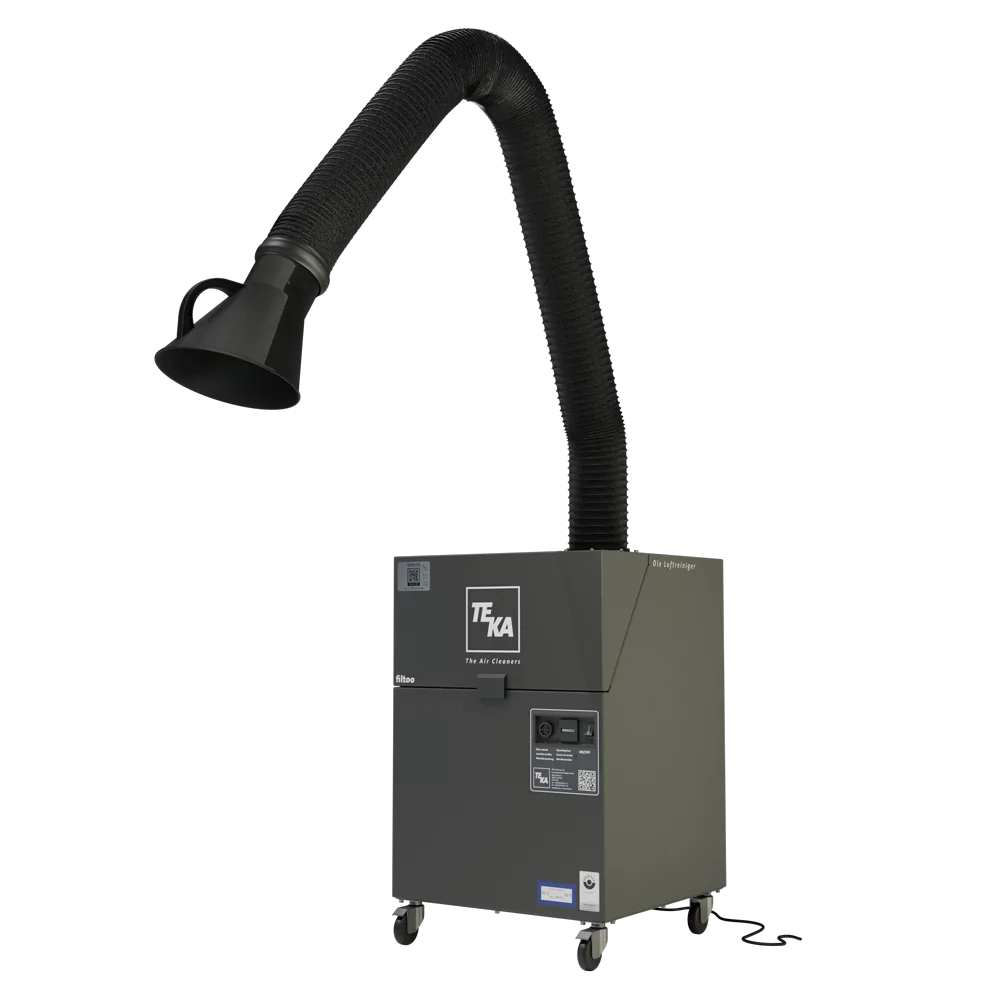
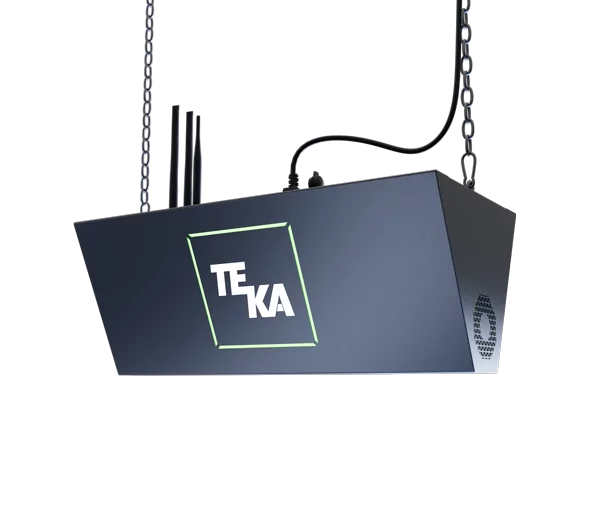
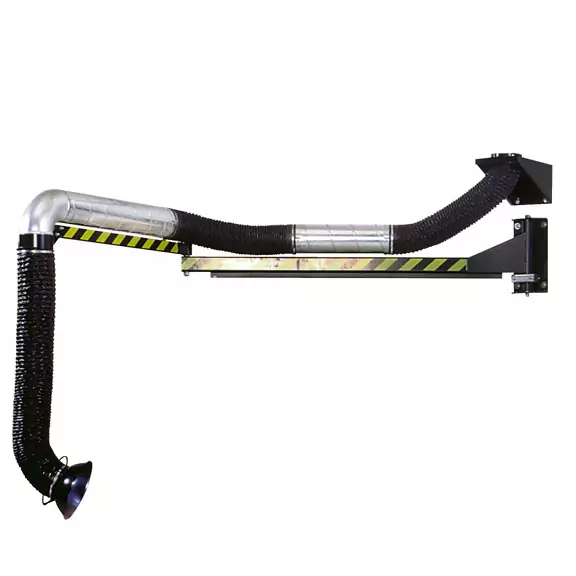
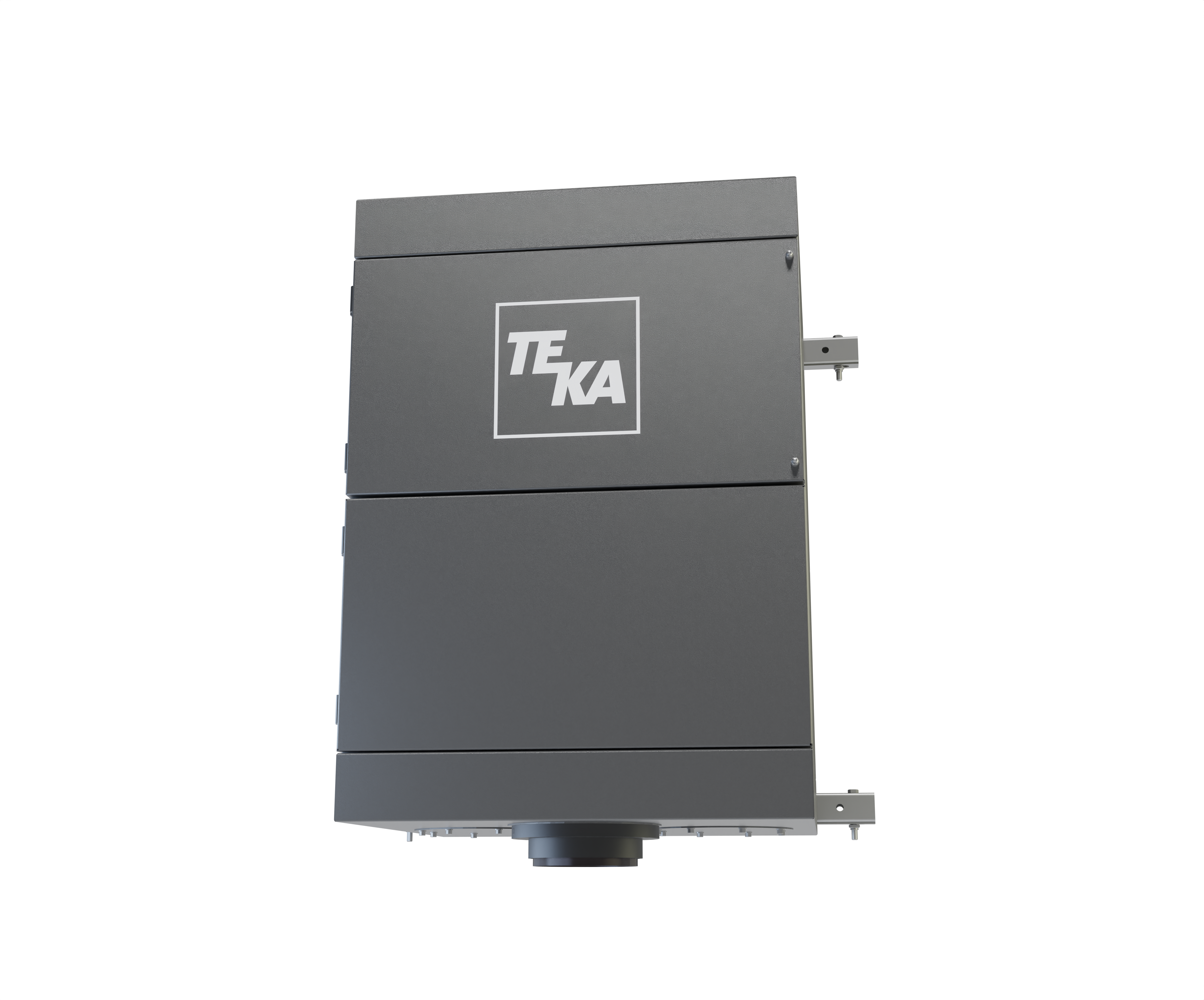
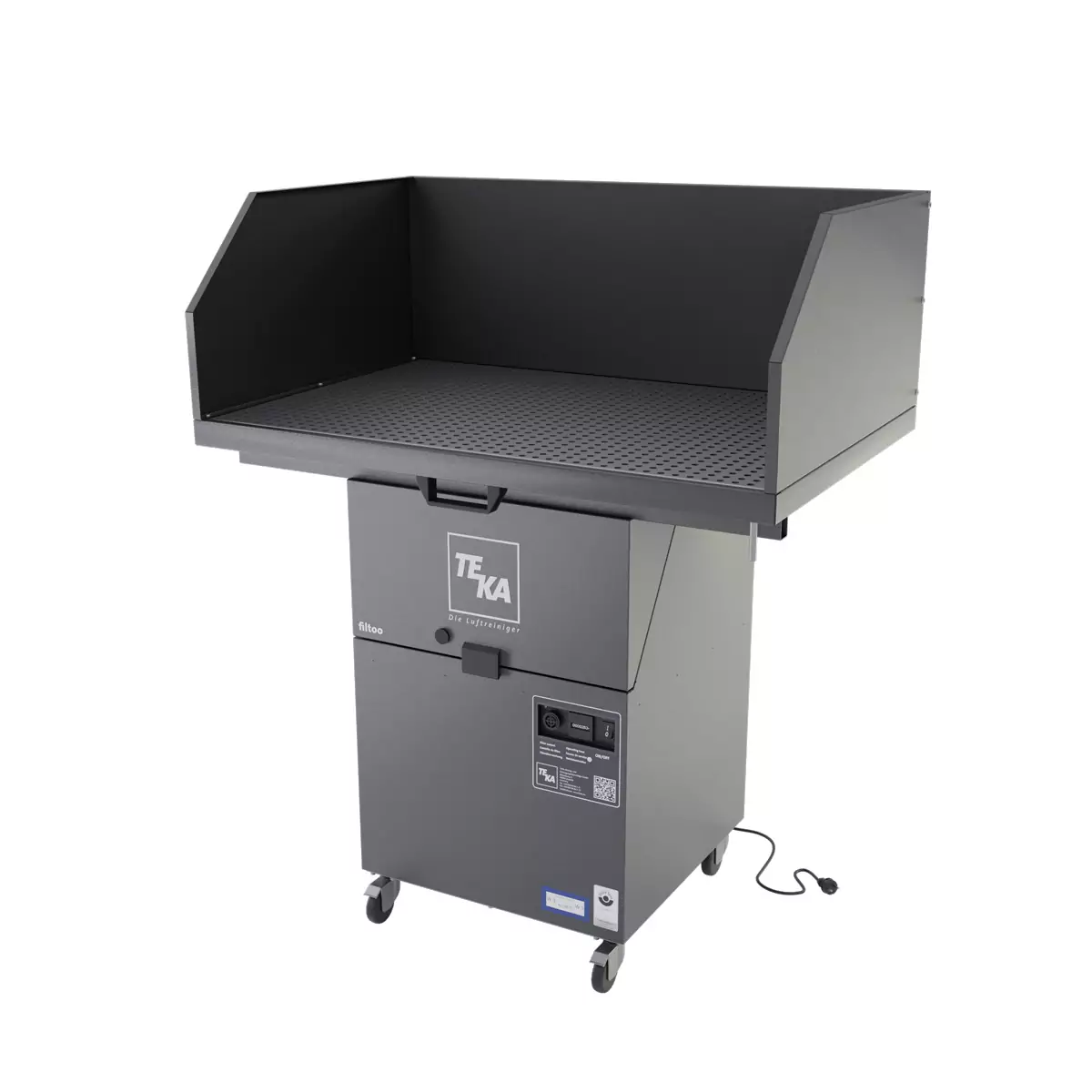
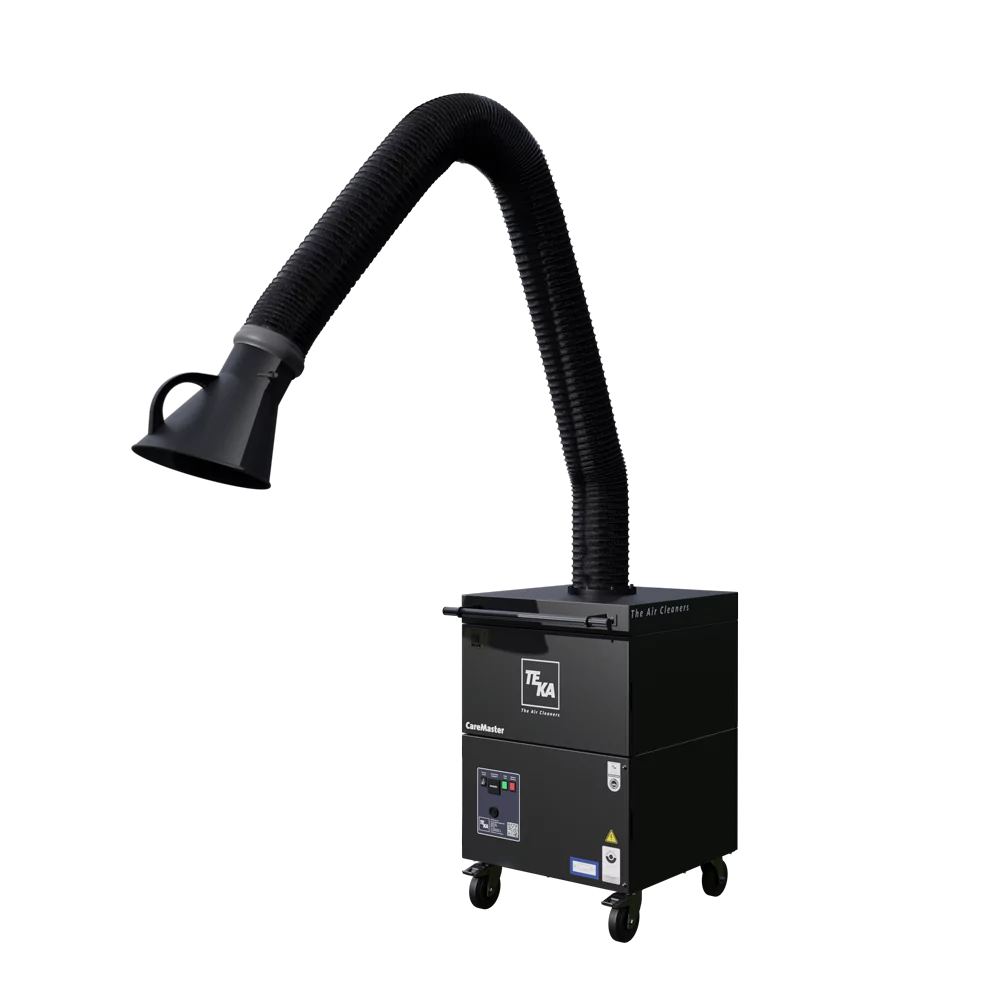
with suction arm 3 m, hose type, internal joints
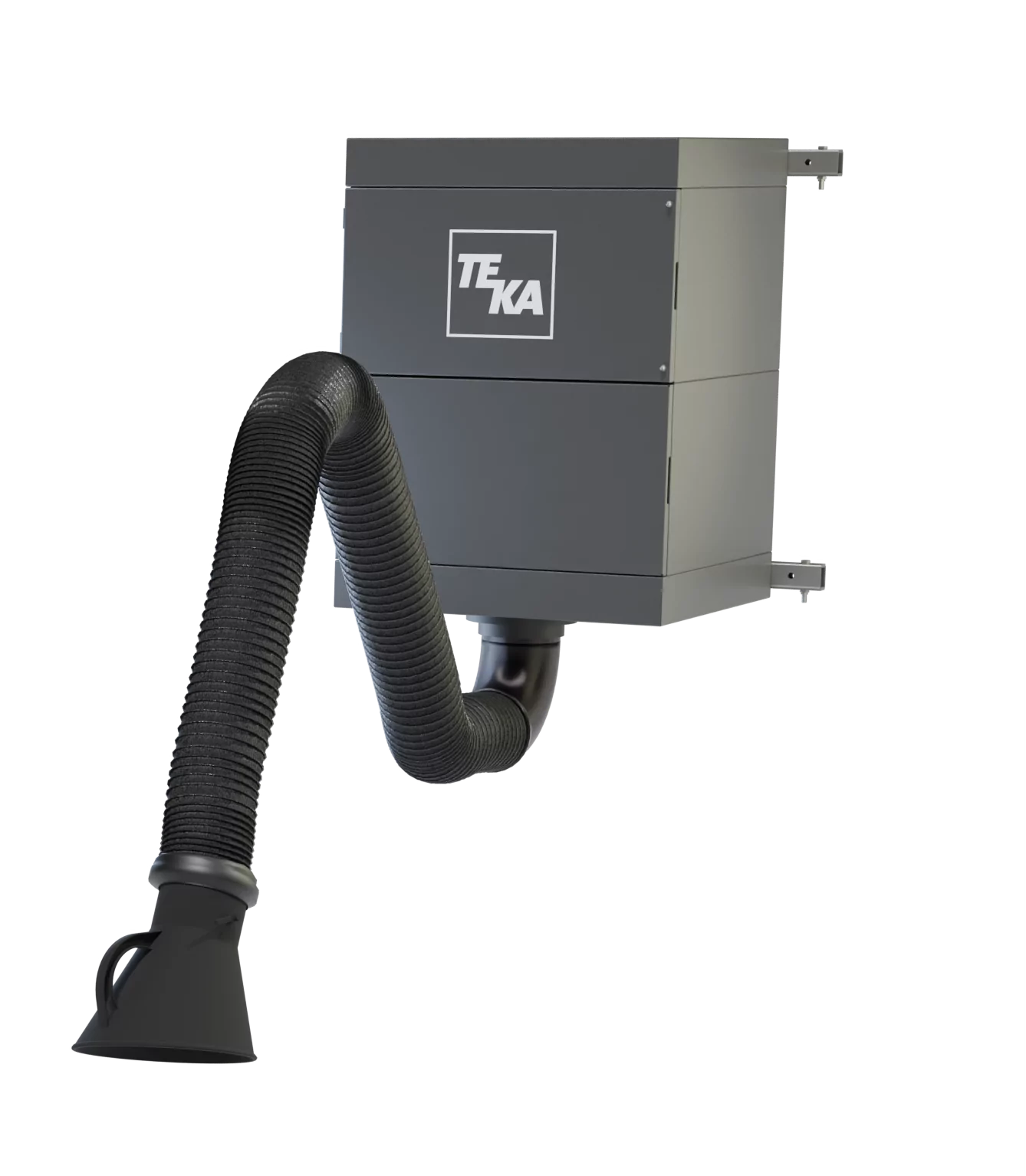
with suction arm 3m, hose type, internal joints
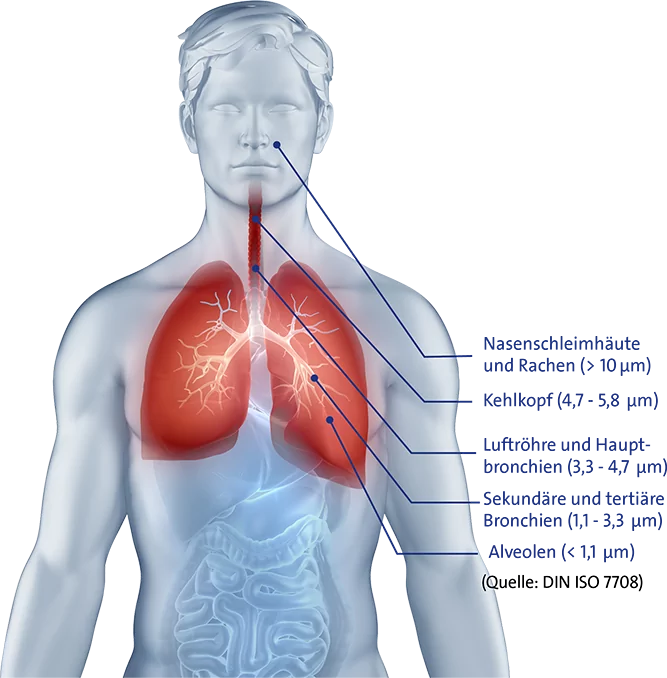
The invisible hazard: welding fumes and their effects
Welding fumes consist of ultrafine particles and gaseous pollutants. The smaller the particles, the deeper they penetrate the respiratory tract. There they can cause inflammation and, in the long term, serious illness.
Typical health effects:
- Respiratory diseases: bronchitis, asthma
- Lung cancer: among other things due to chromium(VI) and nickel compounds when welding high-alloy steels
- Skin irritation and allergies
According to the German TRGS 528, the individual particles in welding fumes are mostly smaller than 1 µm and therefore respirable: they reach the alveoli.
Workpieces suffer too: deposits lead to corrosion, contamination and higher scrap rates, especially with sensitive materials and high-quality welds.
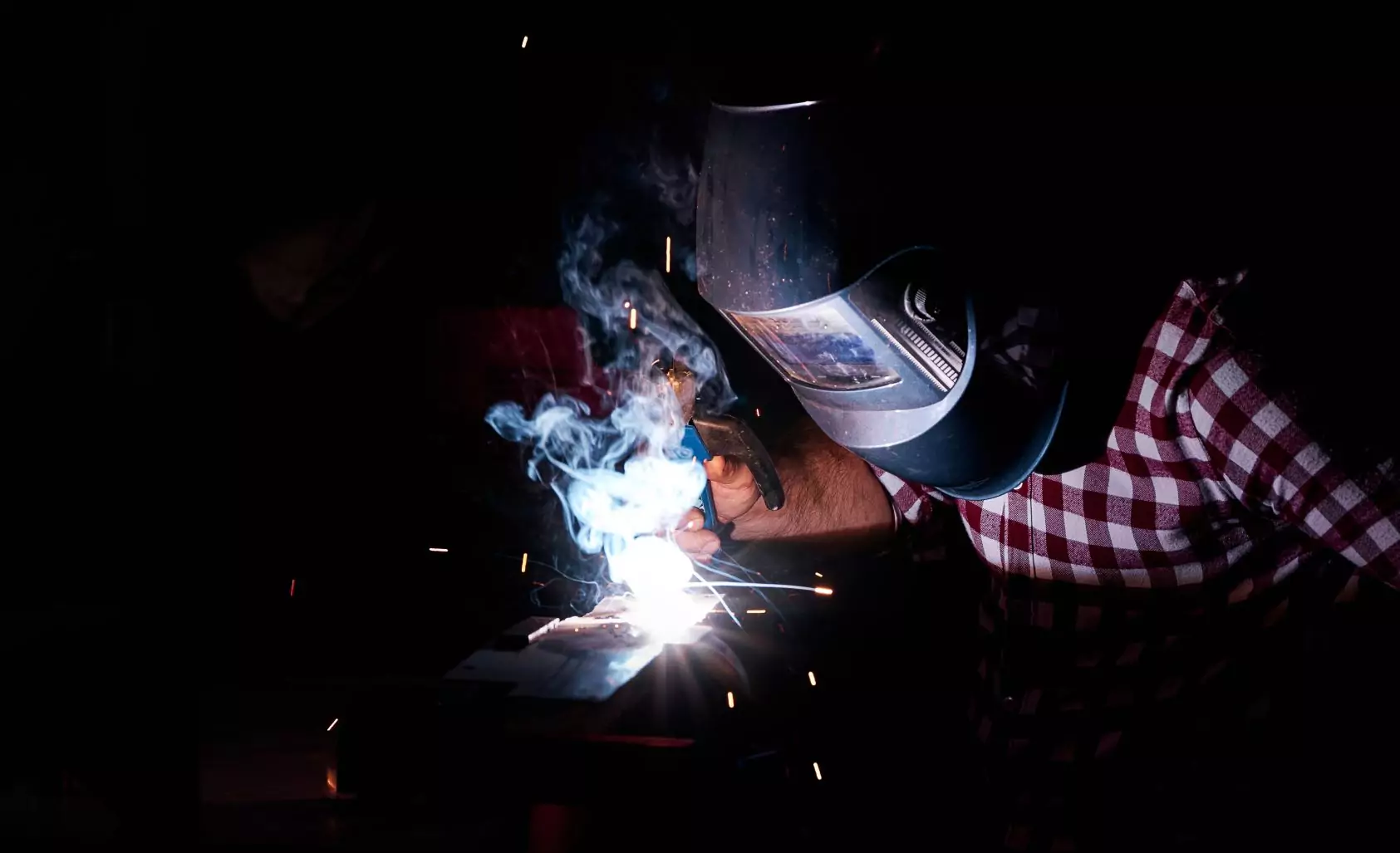
Effective extraction: protecting people and machines during welding
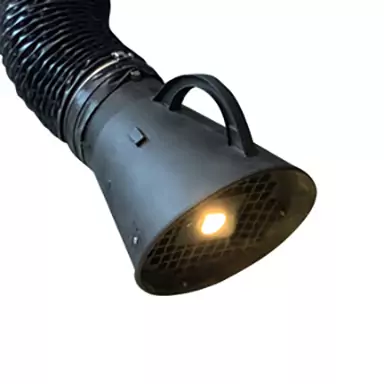
Professional welding fume extraction removes pollutants where they arise, before they reach the welder's breathing zone and the hall air. Flexible extraction arms and hoods capture fumes, fine dust and gases right at the work point. Suitable hoods for extraction arms are available in our accessories.
What matters in an extraction system:
- Extraction capacity: reliable capture even for large-area or intensive welding processes
- Flexibility: mobile or stationary systems, matched to your workplace
- Operation and maintenance: easy handling, fast installation, low-maintenance technology
- Industrial suitability: robust design for continuous use in production
Welding and cutting: extraction units and filter systems for clean air
Effective welding fume extraction consists of two components: extraction units capture the pollutants at the source, filter units separate the particles from the extracted air. Depending on the application, cartridge filters with cleaning, disposable filters or additional activated carbon filters are used.
Four factors determine which system fits:
- type and intensity of the welding process
- number of workstations and simultaneous operations
- space conditions on site
- legal requirements (e.g. TRGS 528, DGUV Rule 109-002)
TEKA offers mobile, stationary and modular systems. For welding high-alloy steels, models with IFA certificate (W3) are available. Find out more about our mobile extraction units, stationary extraction systems and extraction arms.
Extraction technology that knows your industry
Series production, workshops and plant engineering each have their own requirements for limit values, air performance and continuous operation. Our systems are designed for this and in use from medium-sized companies to large corporations.





Looking for an individual extraction solution? We are happy to advise you personally.
Briefly describe your application, from a single welding workstation to a production line. Our team will get back to you with a non-binding assessment.
FAQ: Your questions about welding fume extraction
Why is welding fume extraction so important?
Welding produces gases, vapours and ultrafine particles that penetrate deep into the lungs and can lead to serious illnesses in the long term. Professional extraction captures the pollutants at the point of origin, protects your employees and keeps workpieces and the production environment clean.
What types of welding fume extraction are there?
You can choose between mobile extraction units, extraction arms with hoods, stationary filter units and central hall extraction. Which solution fits depends on the working environment, the welding process and the amount of emissions.
How do I find the right extraction system for my company?
The key factors are the size of the work area, the number of welding stations, the processes used and how flexible the extraction needs to be. Our expert advisors will help you find the right solution for your needs.
Which legal regulations apply to welding fume extraction?
In Germany, the TRGS 528, the Workplace Ordinance and DGUV Rule 109-002 apply, among others. They require hazardous substances to be captured as directly as possible at the source. For welding high-alloy steels, units with IFA certificate (W3) are available.
How often does a welding fume extraction system need to be serviced?
Maintenance intervals depend on how intensively the unit is used. Filters should be checked and replaced regularly to maintain performance and protection. With a TEKA maintenance contract you plan fixed intervals.
Which filter classes are used in welding fume systems?
Depending on the unit, cartridge filters, disposable filters and, if required, activated carbon filters are used. For welding high-alloy steels, models with IFA certificate (W3) are available.
How loud are welding fume extraction systems?
The noise level depends on the unit, fan output and installation. We are happy to provide the values for your unit. Silencers reduce the noise level.
Can I retrofit an extraction system?
Yes. Many TEKA systems have a modular design and can be integrated into existing workstations later, without rebuilding the entire production.
What funding options are available for the purchase?
Depending on industry and location, there are various funding programmes, for example via BAFA, employers' liability insurance associations or regional programmes. With our funding check we assess whether your project is eligible.
Can I rent or test a unit?
TEKA sells its extraction systems directly. We consider a trial installation or rental on a case-by-case basis.