
Laser Fume Extraction for Cutting, Engraving and Marking
Lasering produces fumes, gases and fine dust that affect health, optics and process quality. We capture them directly at the source, with extraction technology that suits your process.
Request advice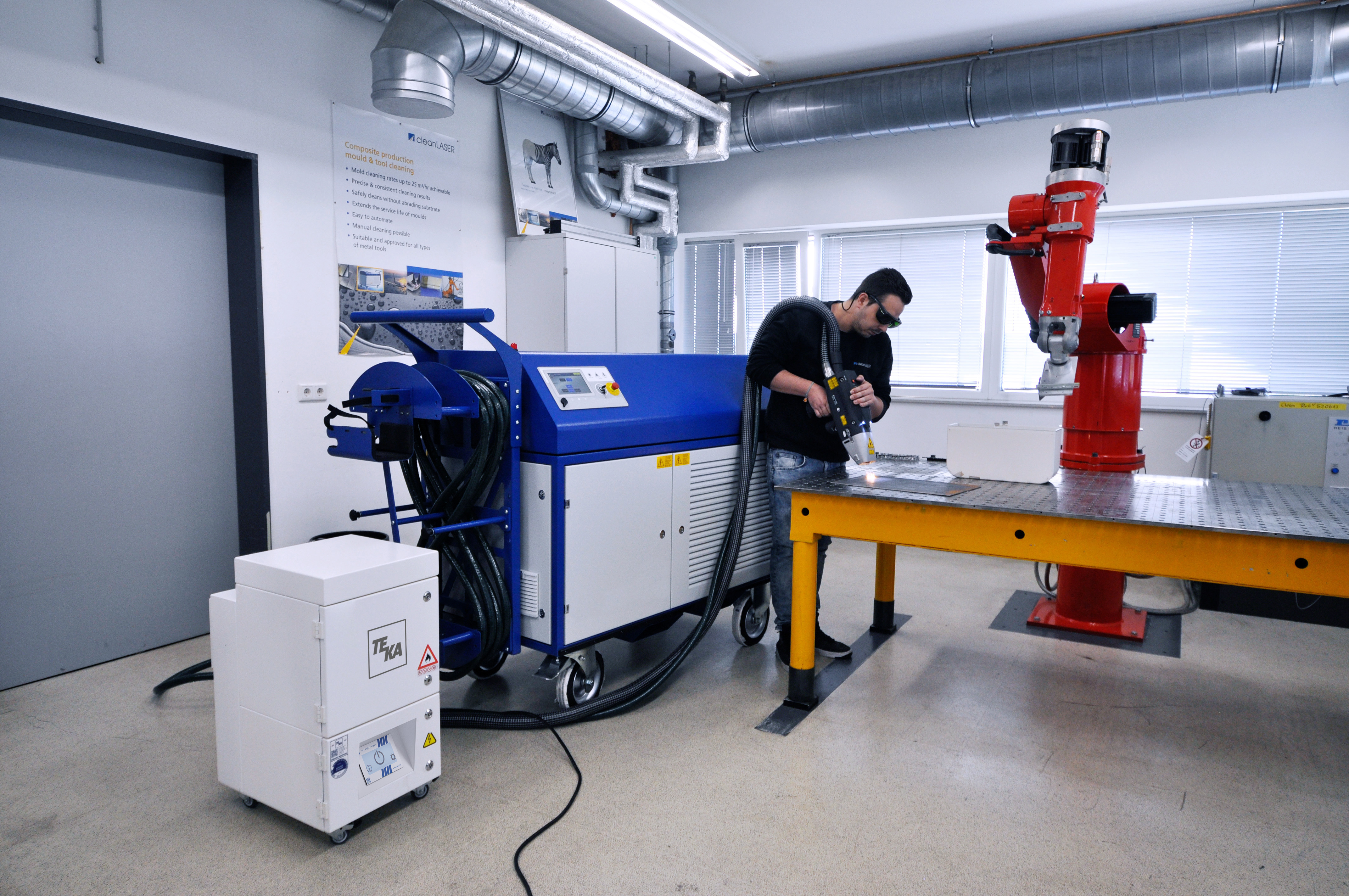
Optimal working conditions in laser processing
Why laser fumes must be extracted
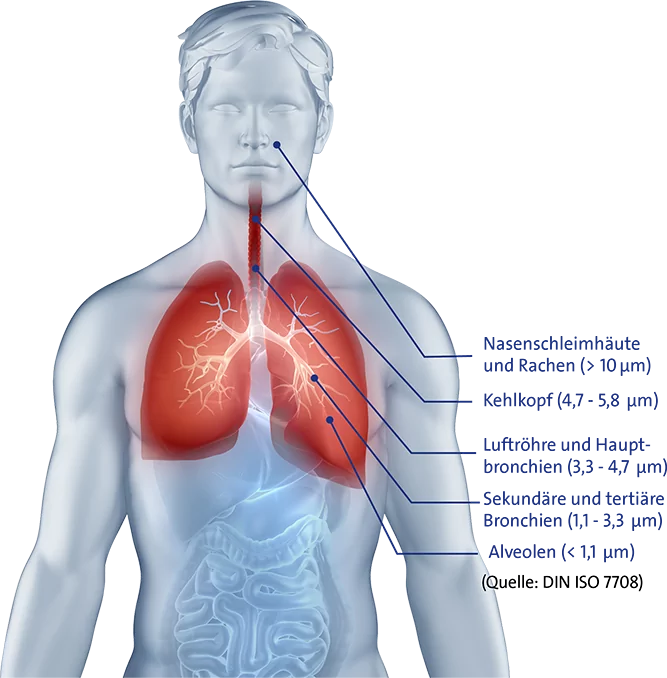
Laser cutting, engraving, marking and welding produce fumes, gases and ultrafine particles. When inhaled, they penetrate deep into the respiratory tract and can cause serious illness in the long term. Health is not the only concern: deposits impair the sensitive optics of modern laser systems and reduce the quality of cut edges, engravings and markings. The result is scrap and time-consuming rework.
What the right extraction achieves
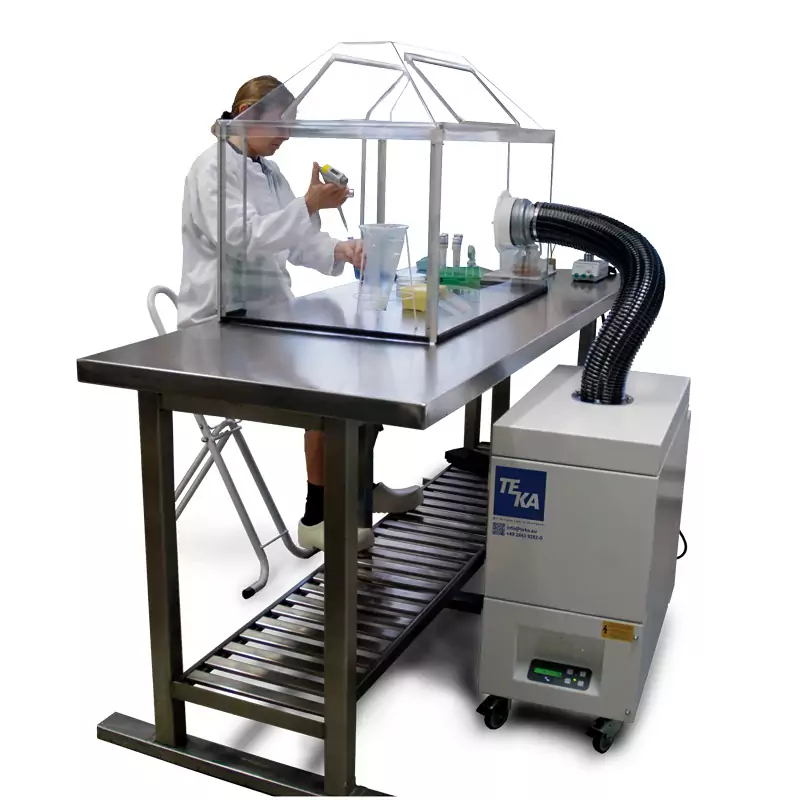
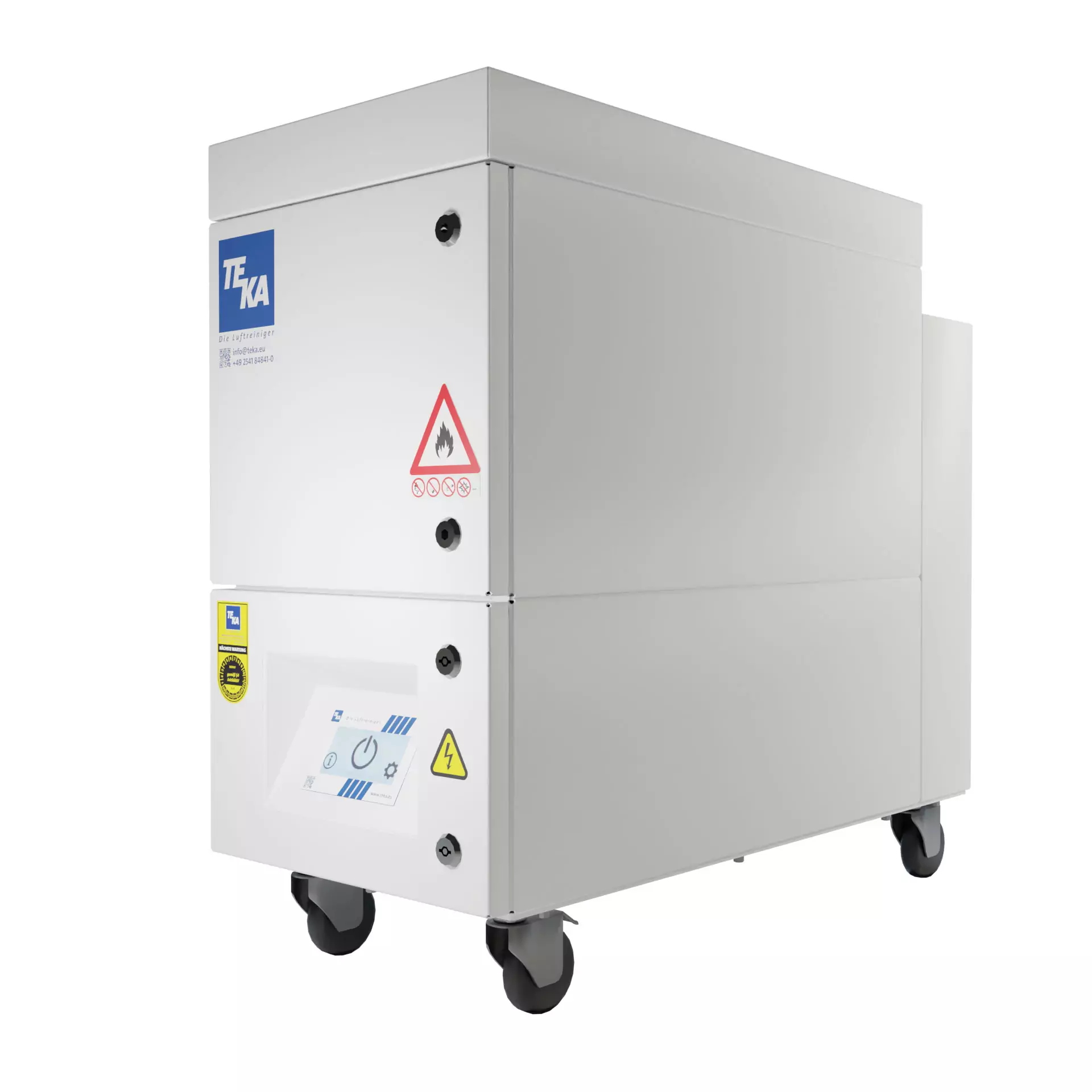
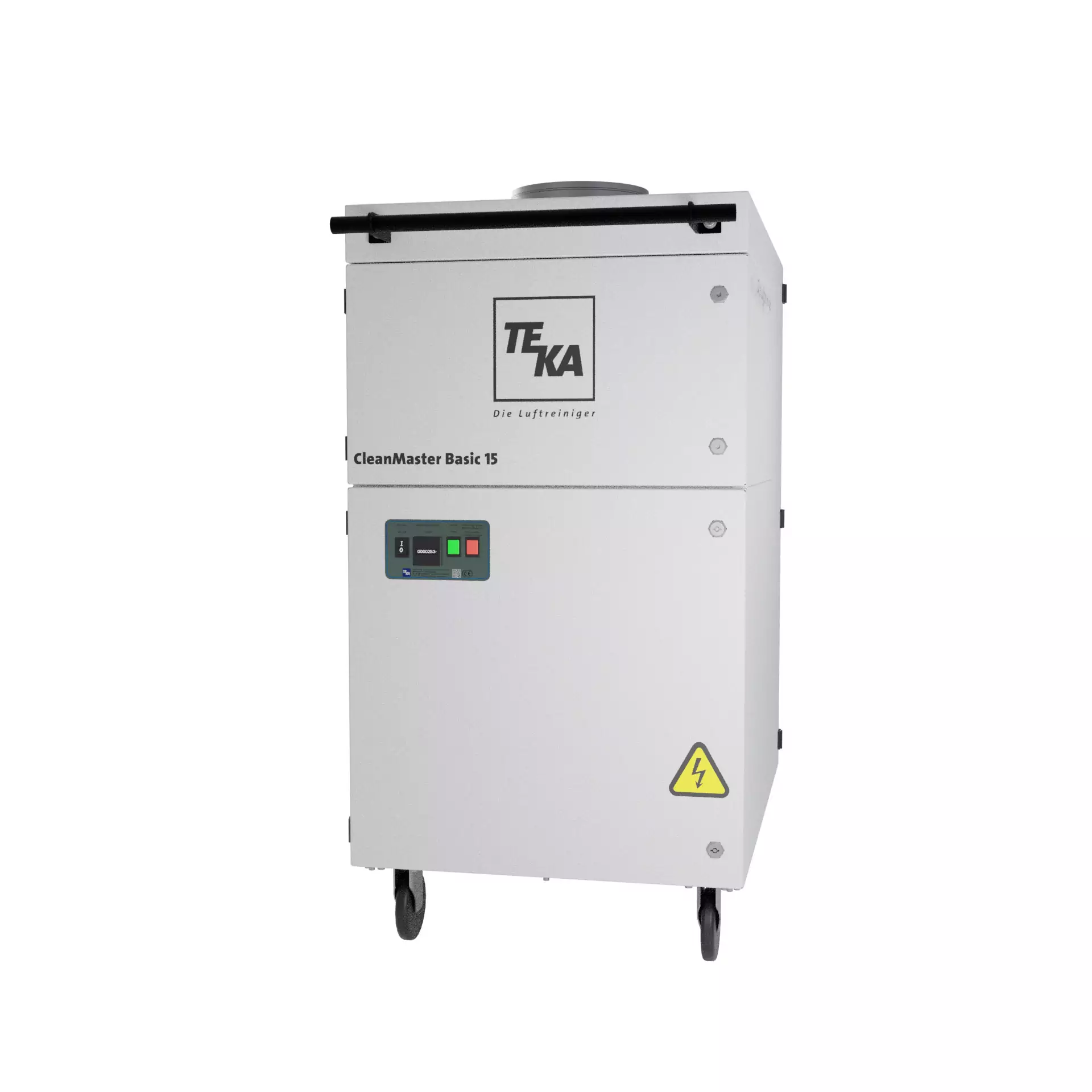
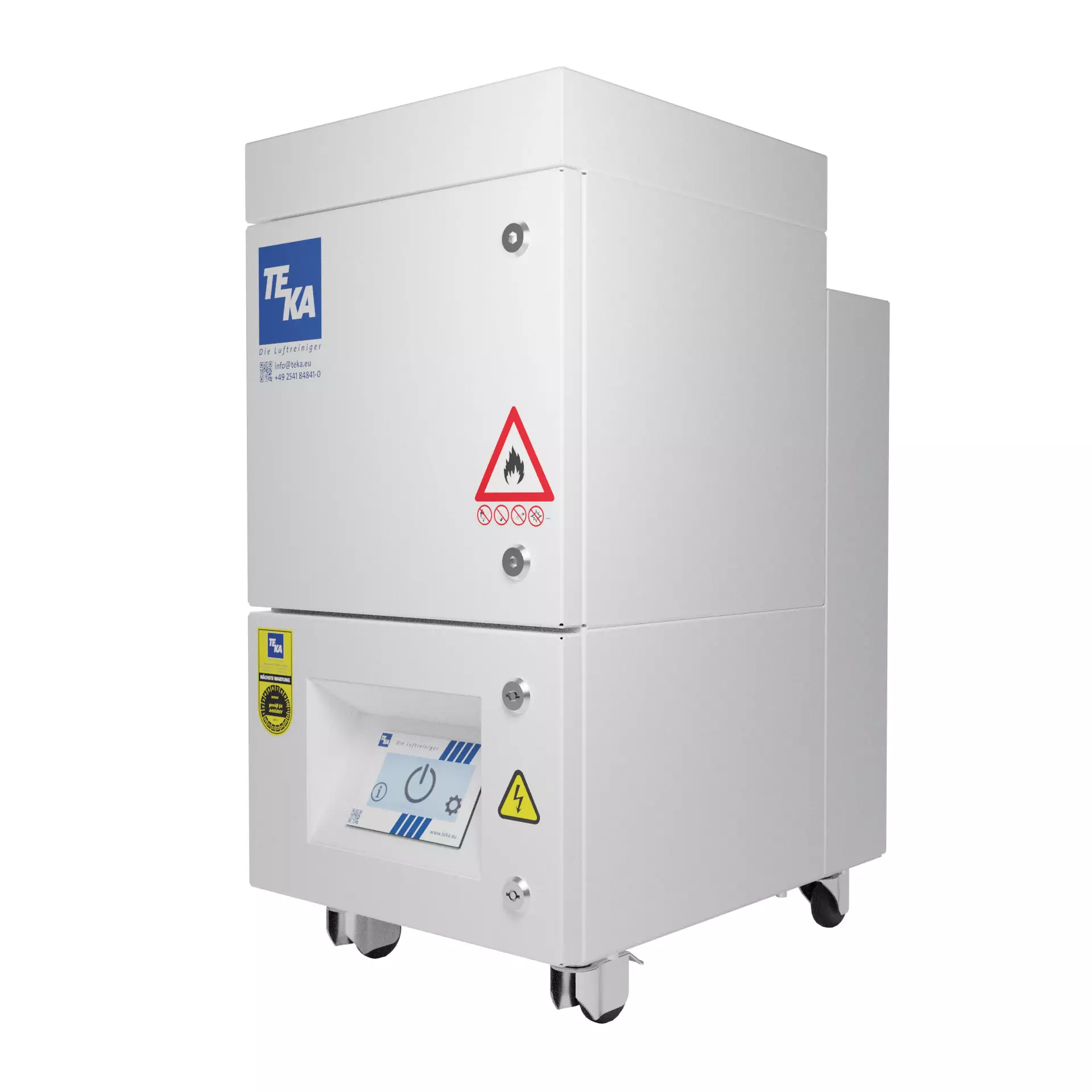
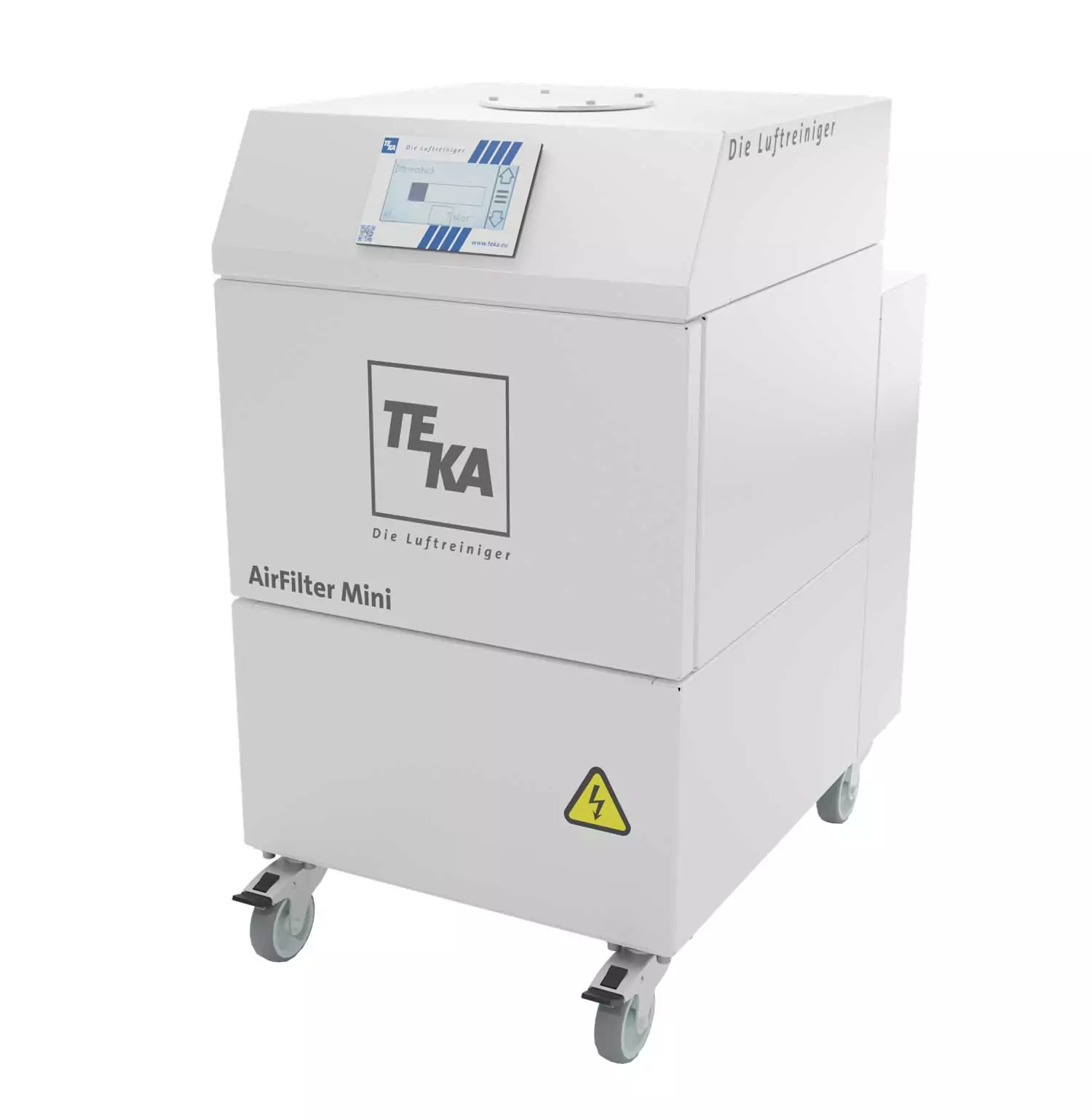
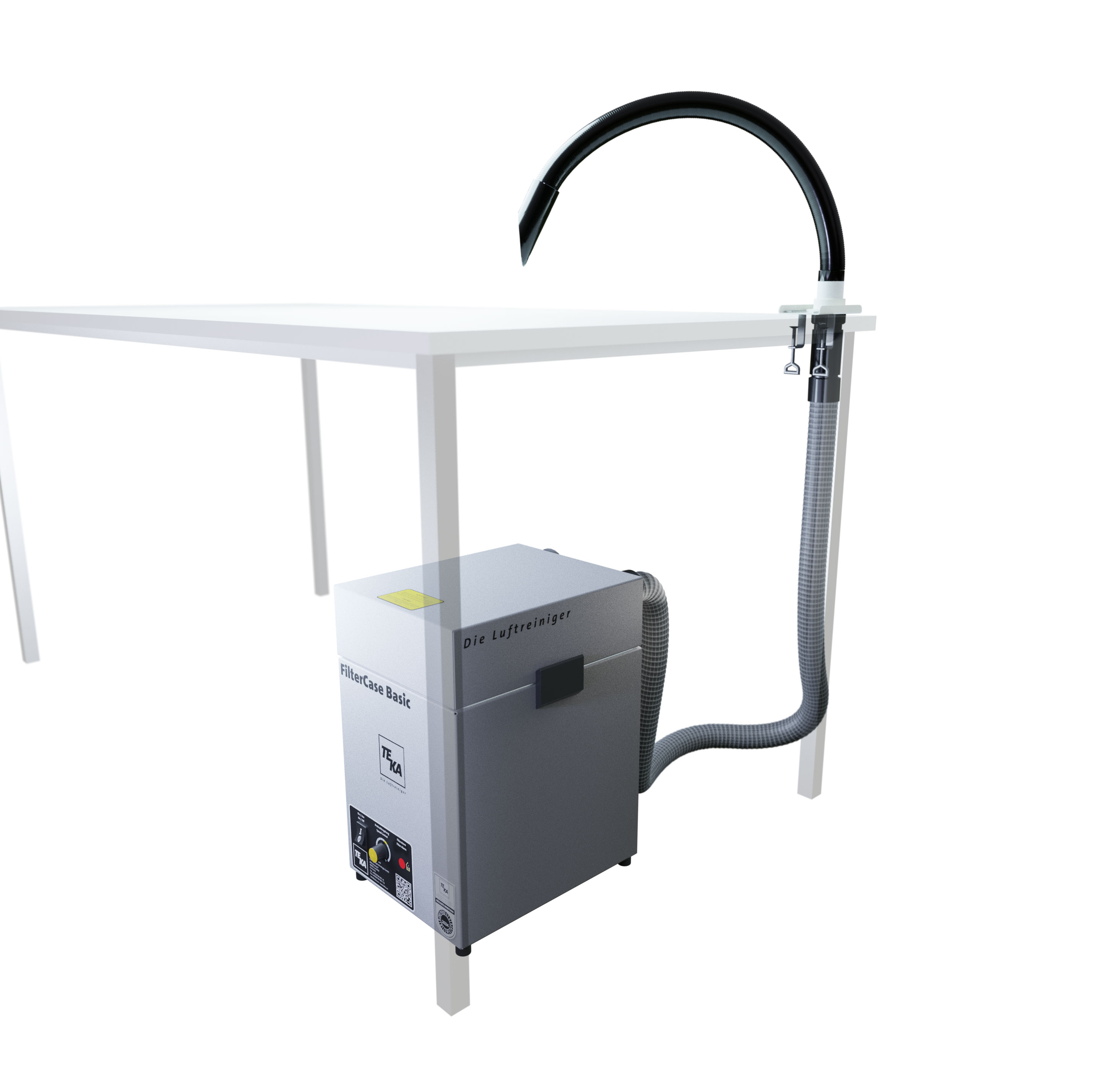
Filter units capture fumes, gases and fine dust directly at the source, in production, in the laboratory and in the workshop. Compact systems can be integrated into existing workstations. This keeps the air and laser optics clean and your processes stable.
Strong for industry & trade
- Robust quality for continuous operation
- Engineered in Germany, produced in Germany and the EU
- Filter technology for laser fumes and fine dust
- Personal expert advice included
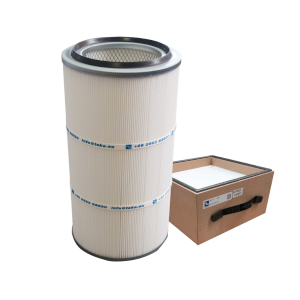
Request matching replacement filters
Genuine filters for your unit: request a quote directly via the serial number.
 Request replacement filters
TEKA product catalogues
All solutions at a glance: browse online or download specific PDFs.
 View catalogues

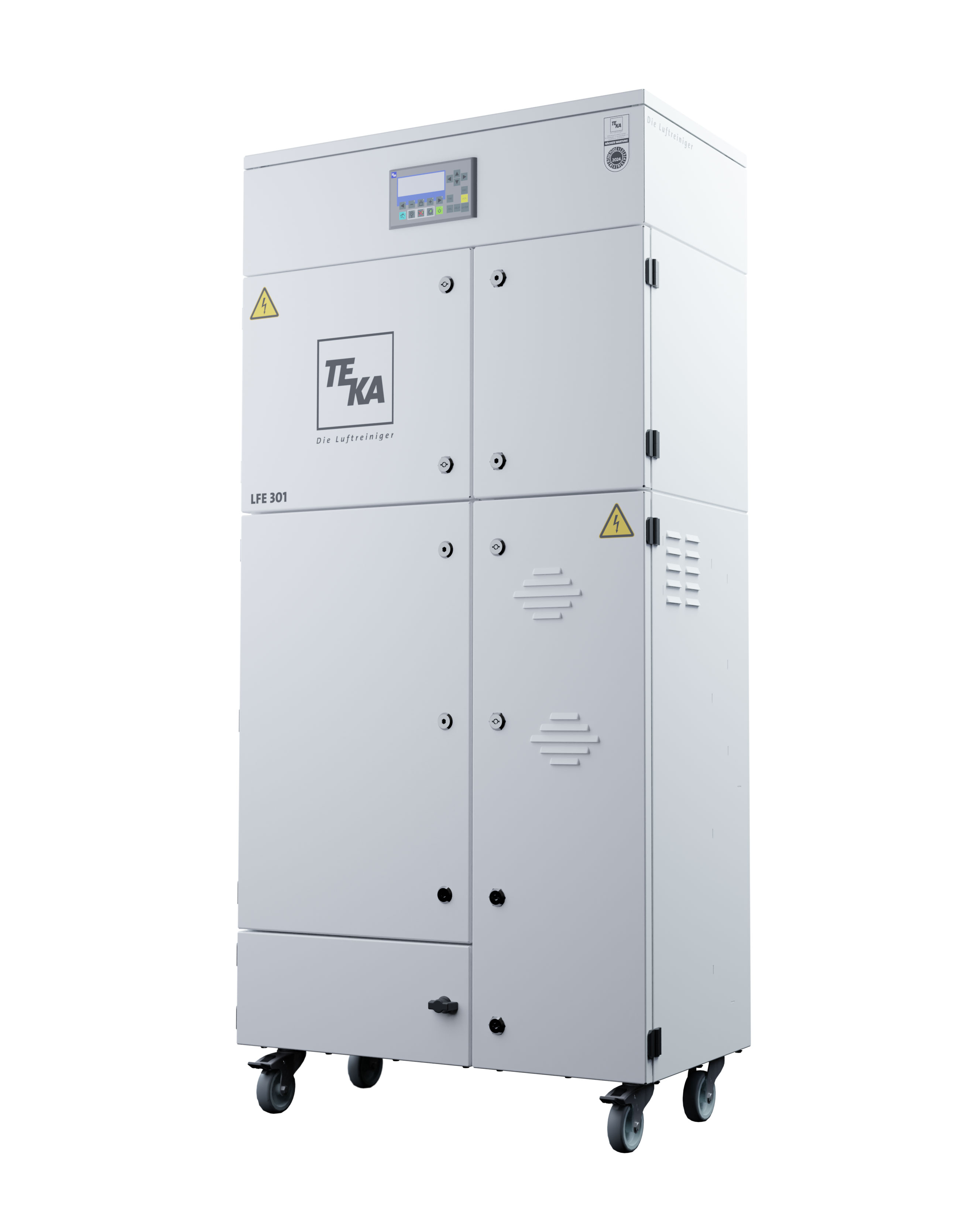
(230V; 50-60Hz)
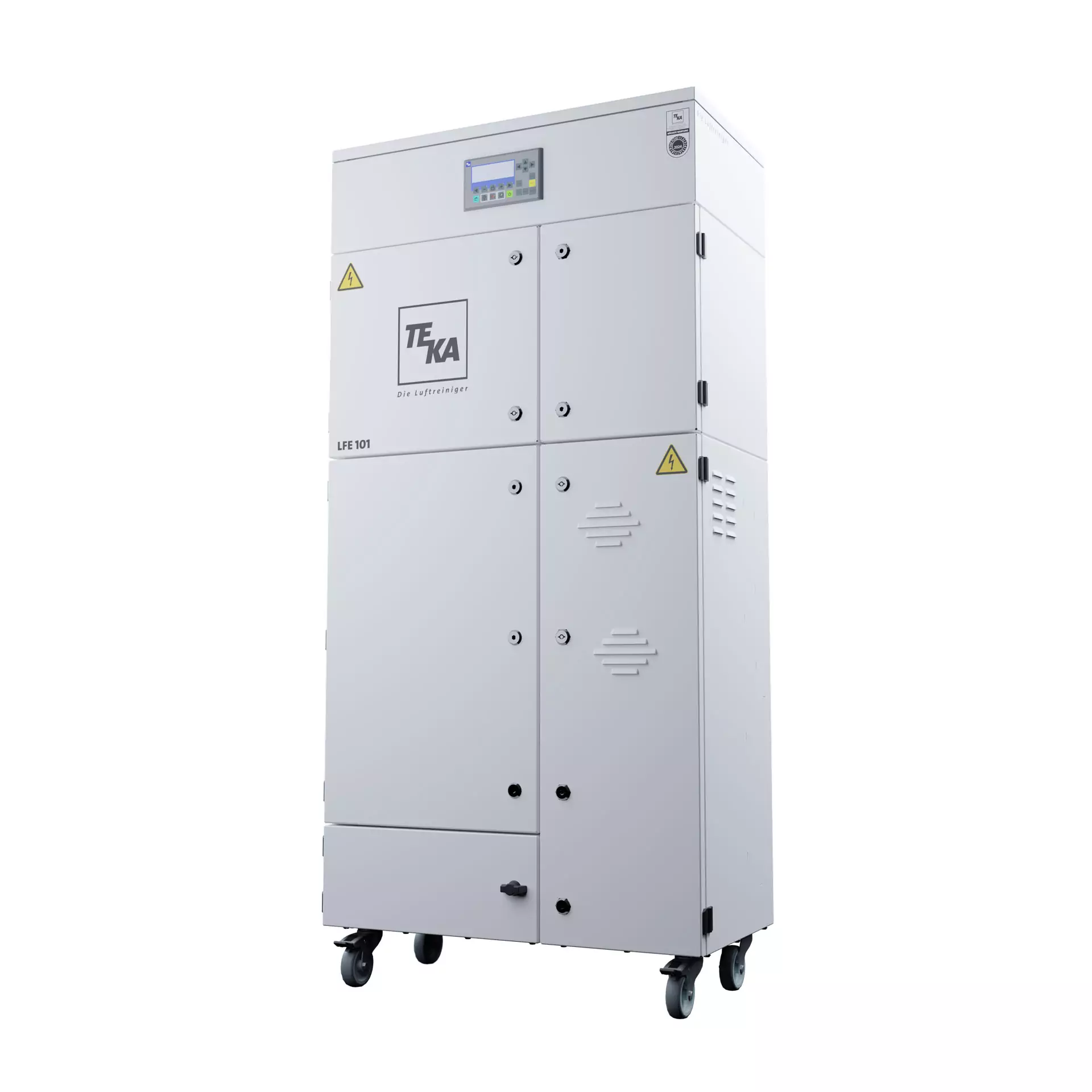
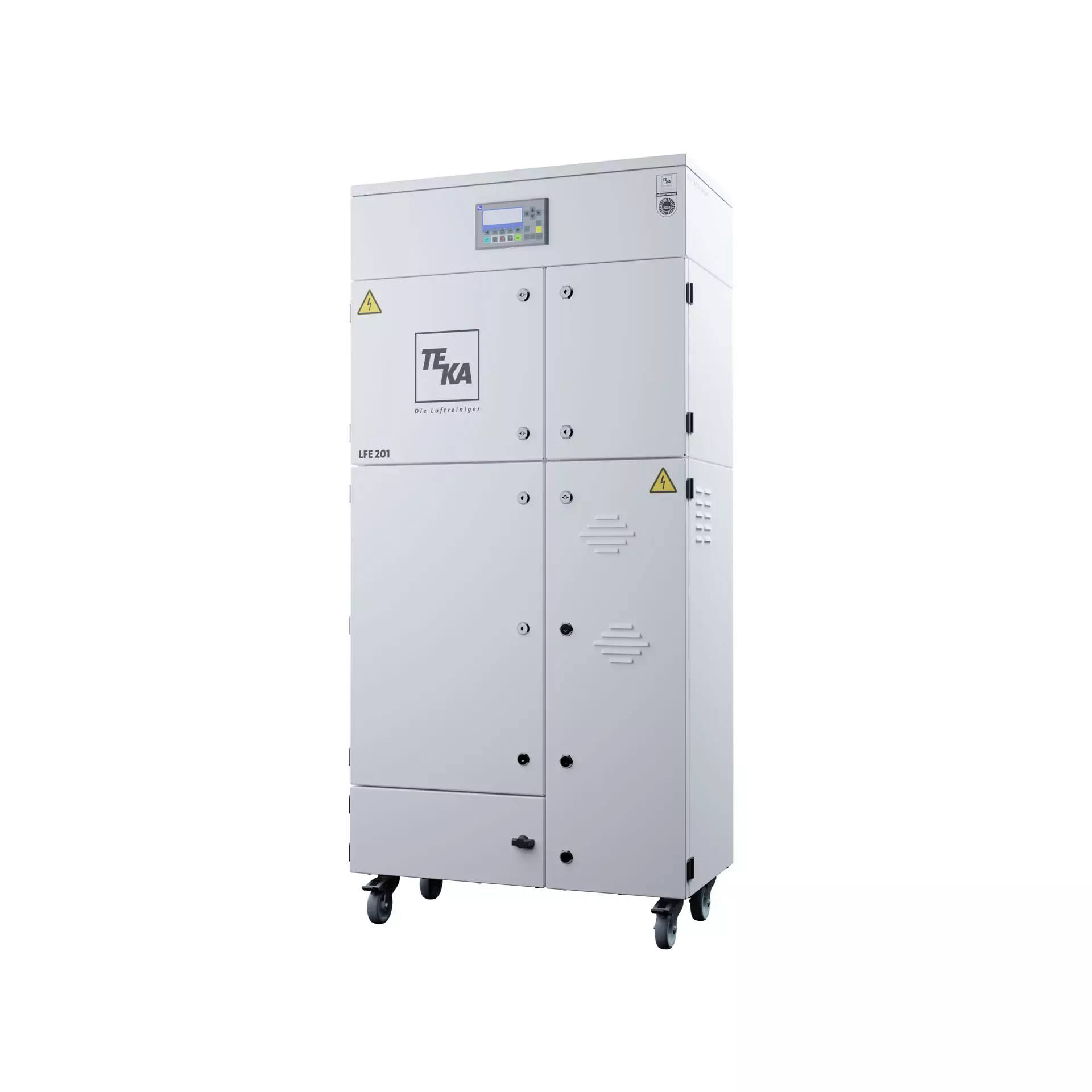
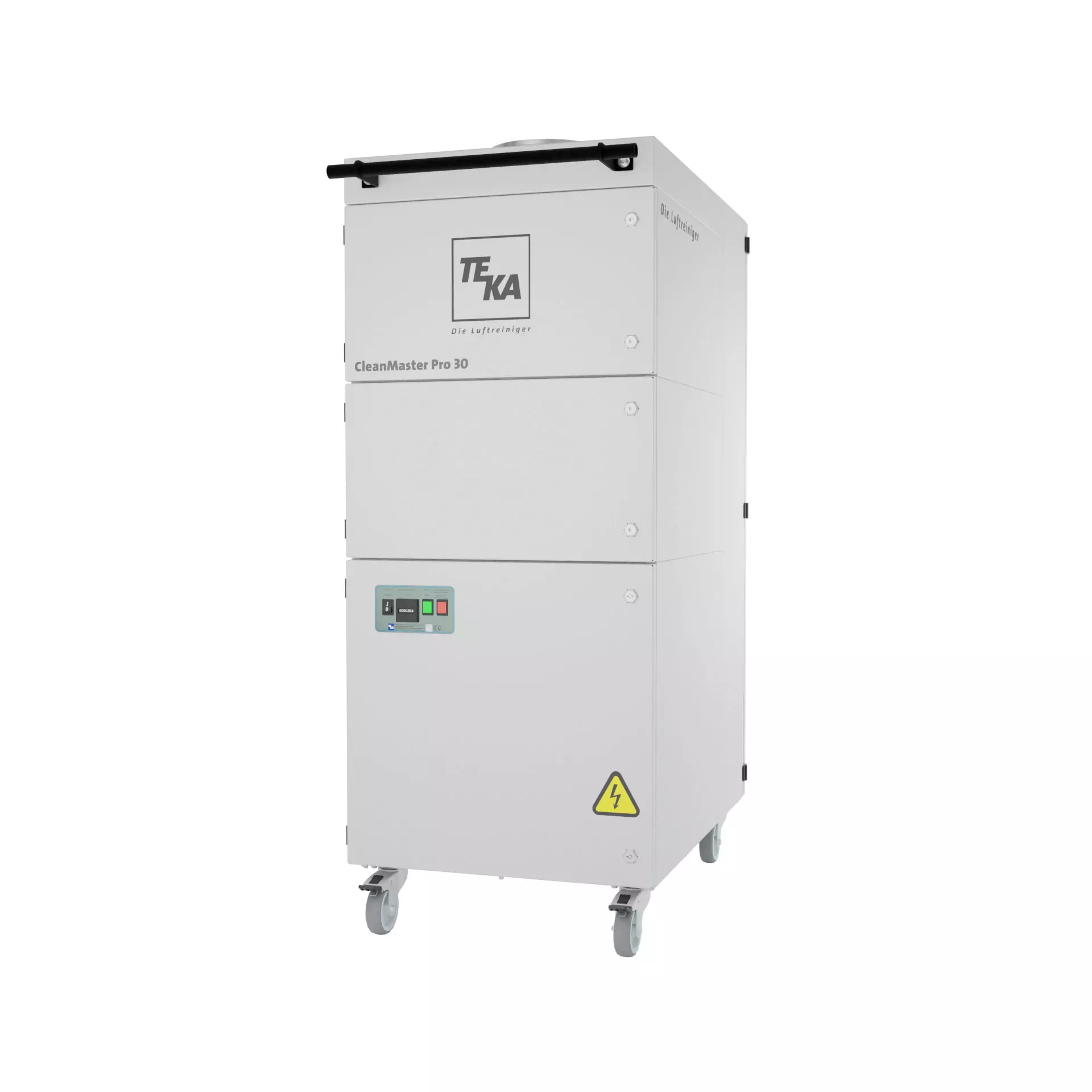
Laser fumes and laser dust: the underestimated hazard
Laser cutting, welding, engraving, marking and ablation produce fumes, gases and ultrafine particles depending on the material, including substances harmful to health. Ultrafine particles are respirable and reach the alveoli. In Germany, hazardous substances at the workplace are governed by the Hazardous Substances Ordinance and the Technical Rules for Hazardous Substances (TRGS).
These laser processes generate emissions
- Laser cutting: particles and gases, especially with plastics, composites and coated metals
- Laser welding: metal oxides, pyrolysis gases and fine dust, for example with stainless steel, aluminium and galvanised materials
- Laser engraving: fumes, odours and, depending on the material, harmful compounds, for example with wood, plastic, textiles or paint
- Laser marking: fumes and gases when marking plastic, metal and coated surfaces
- Laser structuring and ablation: ultrafine dust, for example in electronics and surface technology
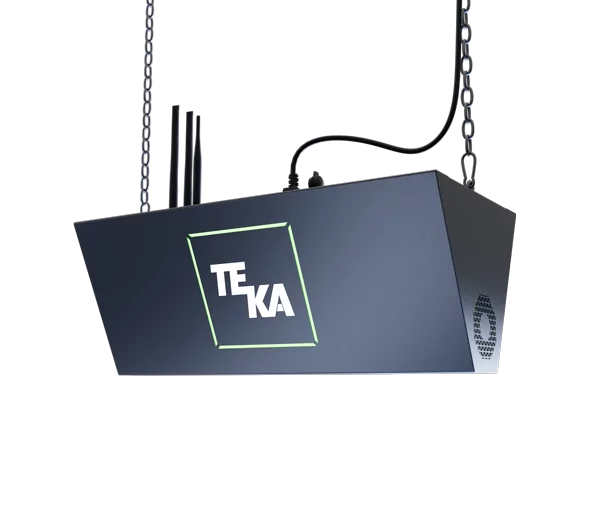
For CO₂, fibre and diode lasers we offer suitable extraction units for clean air at the workplace and stable production.
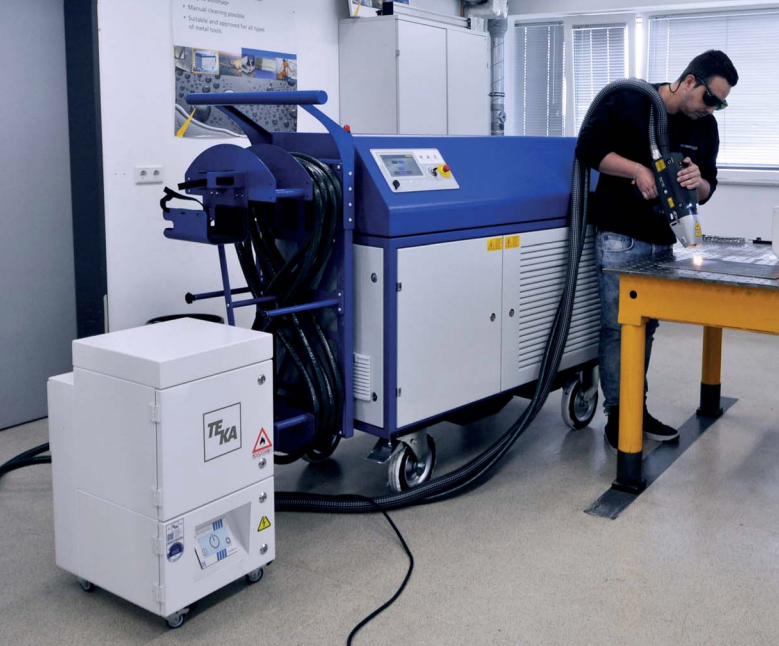
Filter technology for laser fumes: HEPA filters and activated carbon
Filter technology determines how effective your laser fume extraction is and how well your equipment is protected. Depending on the material, particles, fine dust and gases are separated in several stages. You can get suitable replacement filters for laser extraction units directly from us.
- Multi-stage filtration: pre-filter, H13 HEPA filter and activated carbon, depending on the unit
- Gas filtration: activated carbon binds gases and odours
- Protection of optics and sensors: fewer faults caused by fine dust deposits
- Plannable filter changes: filter monitoring depending on the model

Stationary or mobile: the right extraction for your application
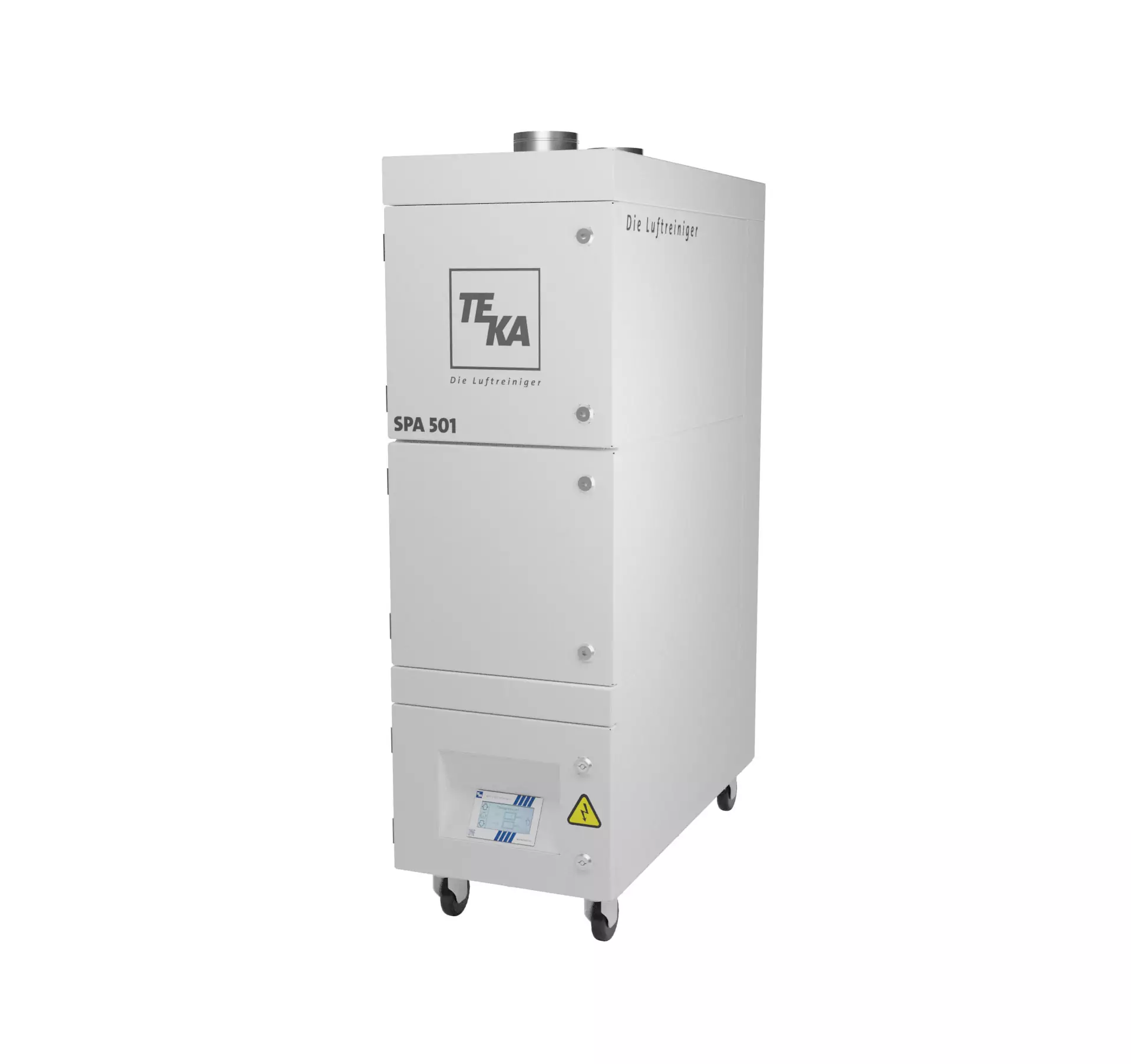
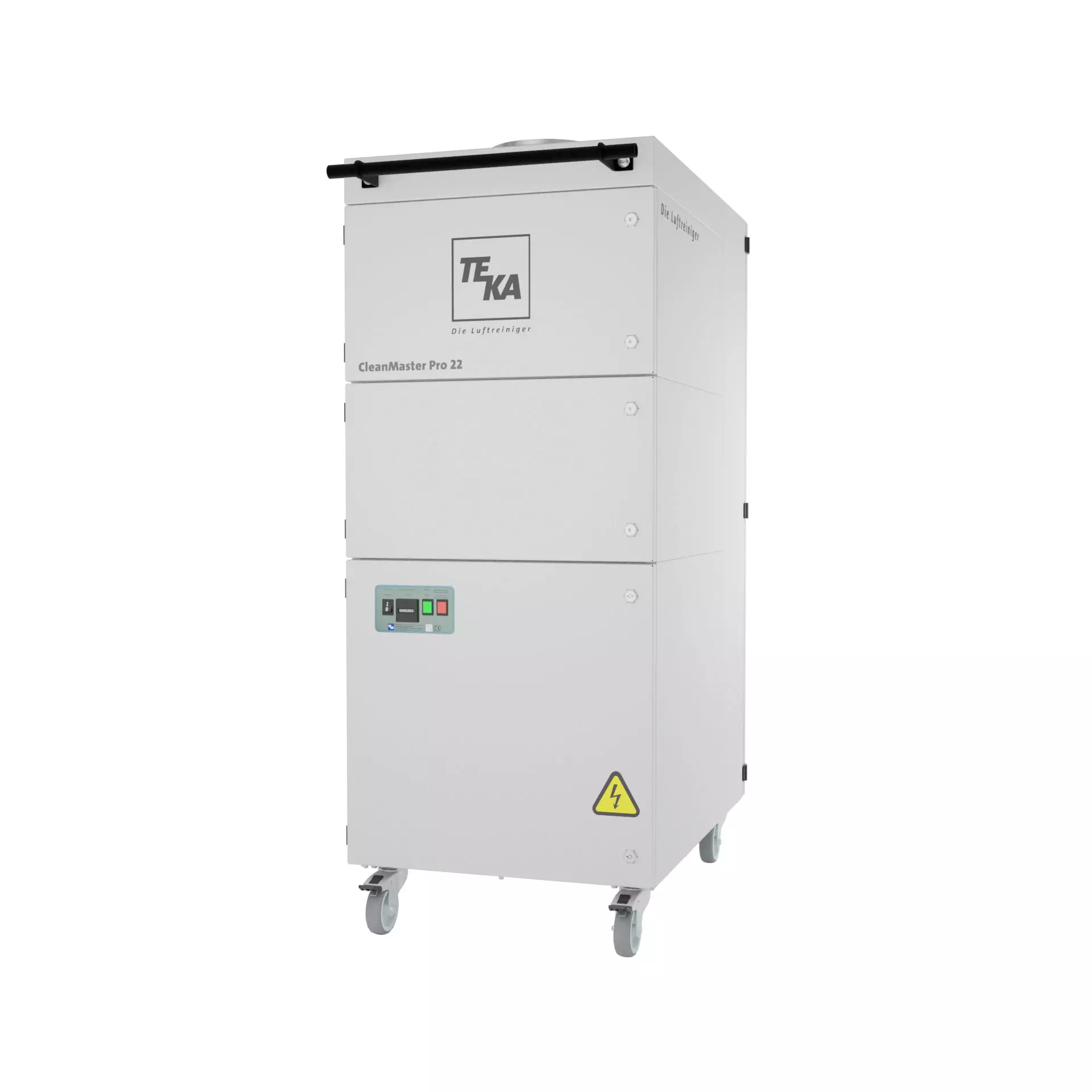
Which solution fits depends on the workstation, the laser system and the space available. TEKA offers both designs, tailored to your process.
Stationary extraction
- For fixed workstations and large laser systems
- High extraction performance and filter capacity for intensive applications
- Designed for continuous operation in production
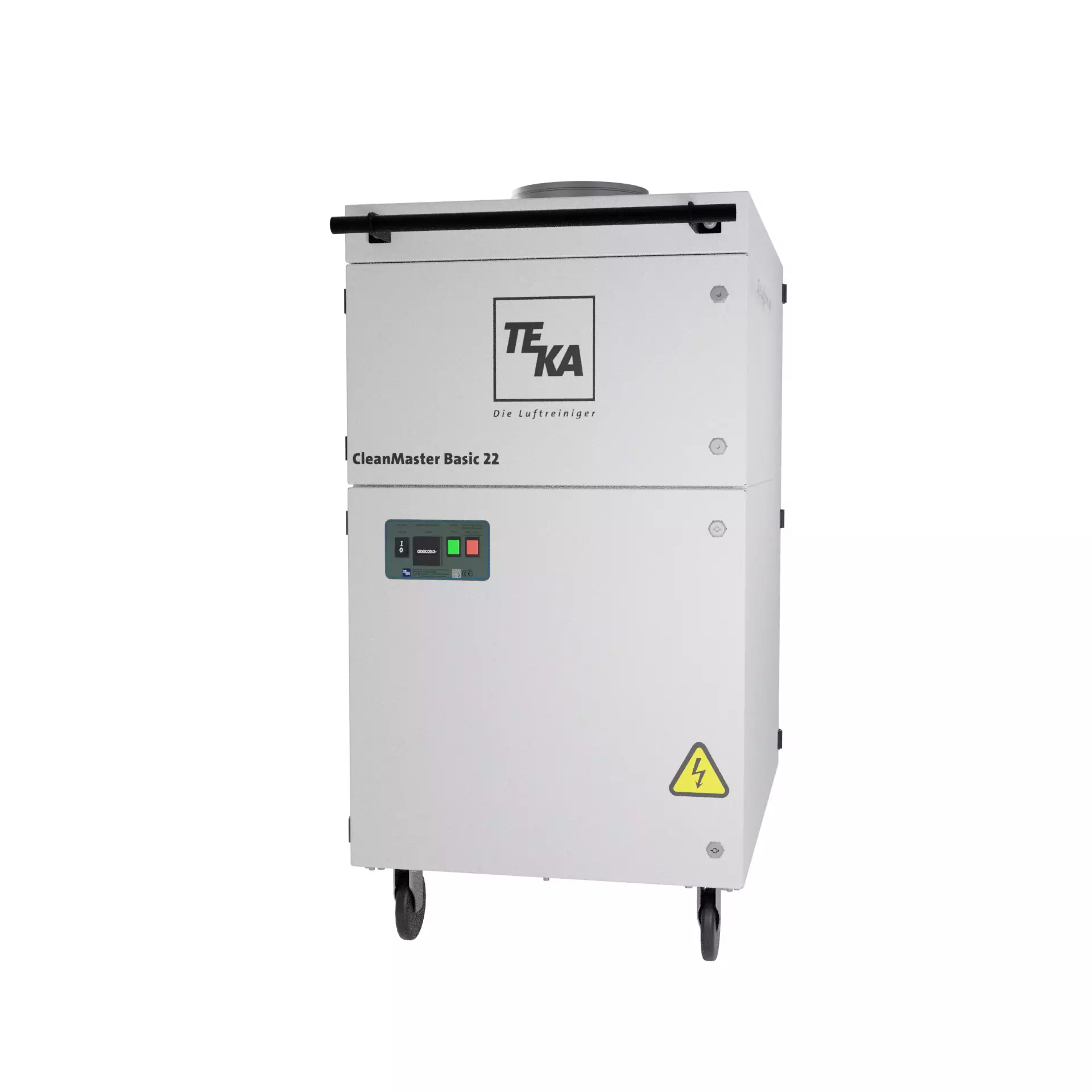
Mobile extraction
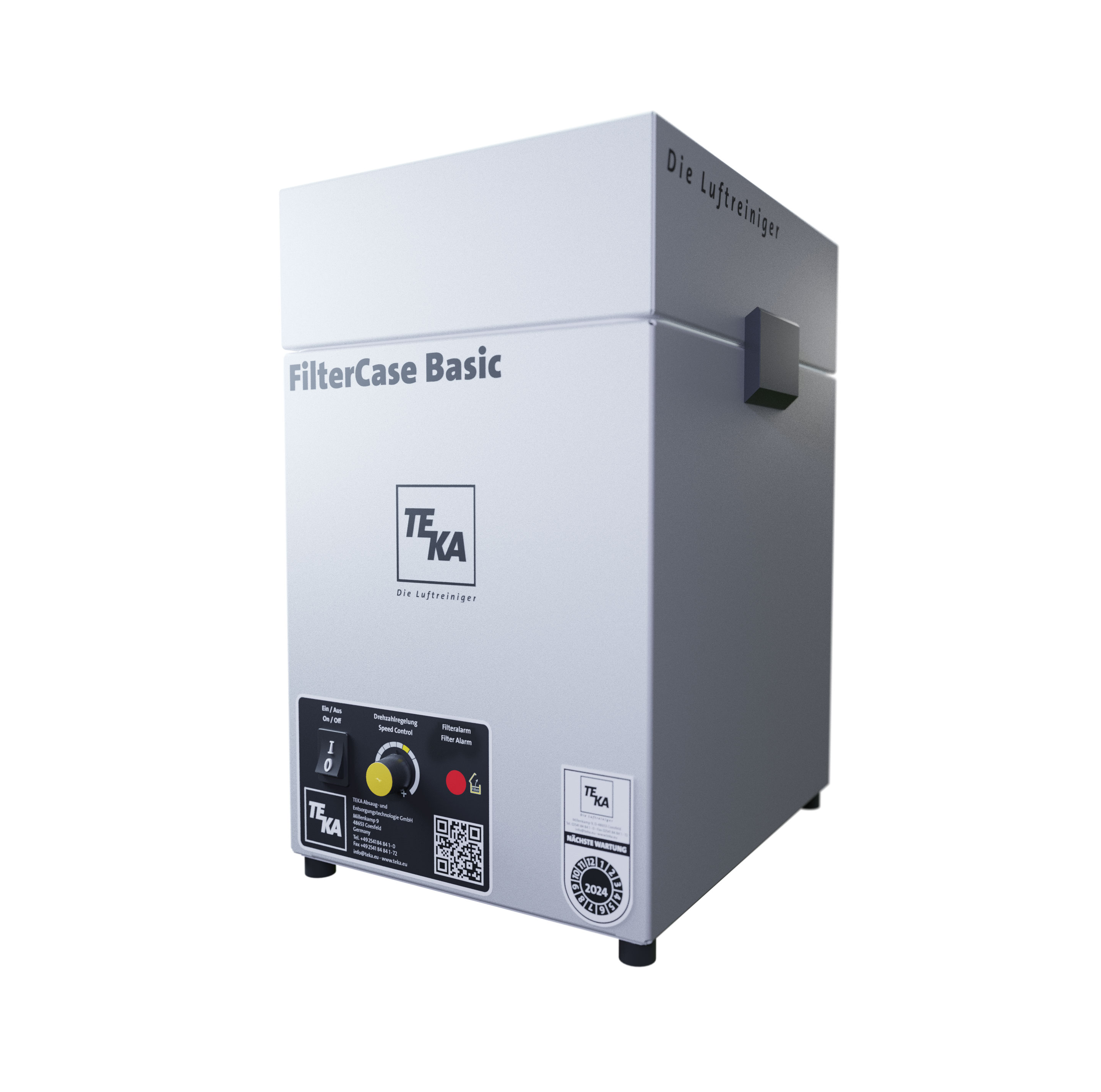
- Flexible use at changing workstations
- Compact and easy to handle
- Economical for smaller laser devices and occasional use
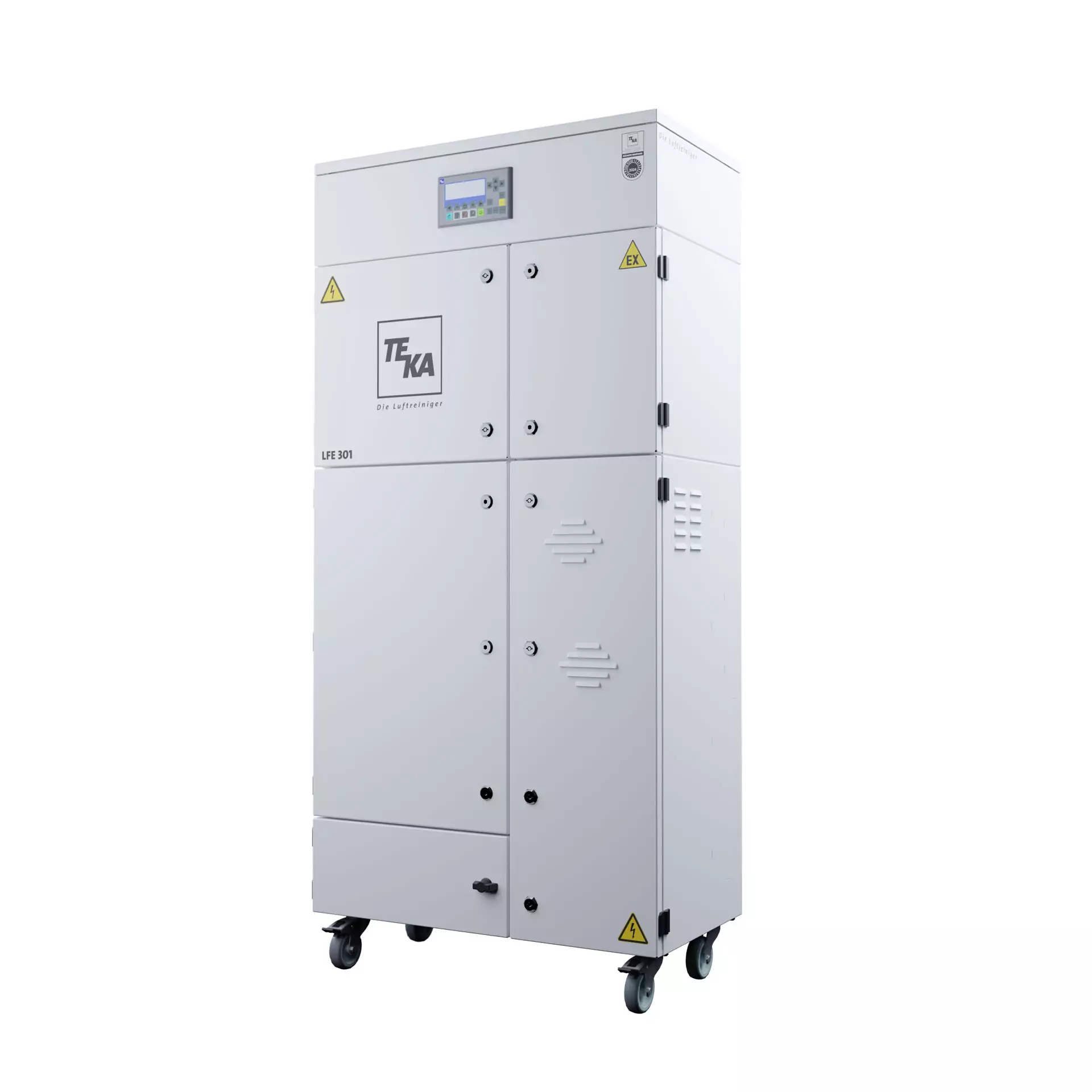
Stationary or mobile: together we find the right laser fume extraction for your requirements. See our mobile extraction units for soldering and lasering and stationary extraction systems.
Extraction technology that knows your industry
Series production, workshops and plant engineering each have their own requirements for limit values, air performance and continuous operation. Our systems are designed for this and in use from medium-sized companies to large corporations.






Looking for an individual extraction solution? We are happy to advise you personally.
Briefly describe your application, from a single laser workstation to a production line. Our team will get back to you with a non-binding assessment.
FAQ: Your questions about laser fume extraction
Which laser processes require extraction?
Cutting, engraving, marking, welding and ablation produce fumes, gases and fine dust depending on the material, even at low laser power. As a rule of thumb: as soon as visible fumes, odours or dust occur, extraction should be used.
How do I know which system fits my application?
The key factors are laser type, material, operating time and available space. A rough guide: fixed workstations and continuous operation call for a stationary system, changing locations for a mobile one. For the exact sizing including filter configuration, we're happy to work through your case.
What happens if I don't extract, or extract insufficiently?
Three risks at once: health burden for your employees, damage to the system from fine dust on laser optics and sensors, and possible legal consequences if workplace limit values are exceeded.
Which regulations do I need to observe as an operator?
In Germany, the Hazardous Substances Ordinance (GefStoffV), the Technical Rules for Hazardous Substances (TRGS 528 and TRGS 900) and the occupational exposure limits (AGW) are particularly relevant for laser processing. A measurement shows whether your workplace complies with the limits. We offer an indicative workplace air measurement for this.
How much maintenance is required and how often?
The main effort is changing the filter. How often this is needed depends on utilisation and material. Depending on the model, filter monitoring indicates the right time. With a TEKA maintenance contract you plan fixed intervals.
What filter technology is used?
Depending on the application, a multi-stage system of pre-filter, H13 HEPA filter for fine dust and ultrafine particles, and activated carbon for gases and odours. The right combination depends on the material and type of pollutants in your process.
How loud is a laser extraction system in operation?
The noise level depends on the unit, fan output and installation. You can find the noise level in the technical data of each unit, and the product list can be filtered by it. Silencers reduce the noise level further.
Can I integrate a TEKA system into existing machinery?
In many cases yes, also as a retrofit. How the extraction is connected to your machine is clarified case by case.
Are there funding options for the purchase?
Depending on industry and region, investments in clean air are sometimes subsidised, for example via BAFA or state programmes in Germany. With our funding check we assess whether your project is eligible.
Can I rent or test a unit?
TEKA sells its extraction systems directly. We consider a trial installation or rental on a case-by-case basis.